
Bettersize
BeNano Series
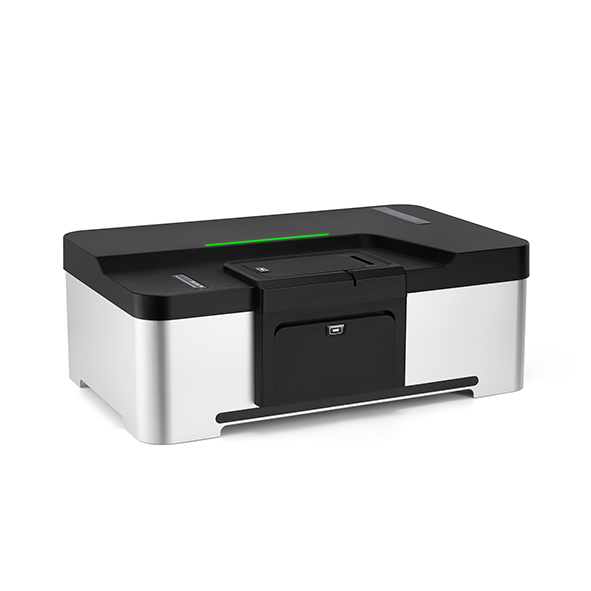
Nanoparticle Size and Zeta Potential Analyser
- Size range: 0.3nm – 15μm
- PALS (Phase Analysis Light Scattering) technologyy
- Compliance with 21 CFR Part 11, ISO 22412, ISO 13099
Features
The BeNano series comprises seven models and represents a state-of-the-art generation of nanoparticle analysers that integrate light scattering and transmission techniques.
Compare BeNano series models
| Features | BeNano 180 Zeta Max | BeNano 180 Zeta Pro |
BeNano 180 Zeta |
BeNano 90 Zeta |
BeNano Zeta |
BeNano 180 |
BeNano 90 |
| Particle Size – 90° DLS | √ | √ | × | √ | × | × | √ |
| Particle Size – 173° DLS | √ | √ | √ | × | × | √ | × |
| Zeta Potential | √ | √ | √ | √ | √ | × | × |
| Molecular Weight | √ | √ | √ | √ | × | √ | √ |
| Microrheology | √ | √ | √ | √ | × | √ | √ |
| Refractive Index | √ | × | √★ | √★ | × | √★ | √★ |
| Concentration | √ | × | √★ | √★ | × | √★ | √★ |
| Sedimentation | √ | × | √★ | √★ | × | √★ | √★ |
| Transmittance | √ | × | √★ | √★ | × | √★ | √★ |
| Temperature Trend | √ | √ | √ | √ | √ | √ | √ |
| VV Polarizer | √★ | √★ | √★ | √★ | × | √★ | √★ |
| VH Polarizer | √★ | √★ | × | √★ | × | × | √★ |
| Fluorescence Filter | √★ | √★ | √★ | √★ | × | √★ | √★ |
| Flow Mode | √★ | √★ | √★ | √★ | × | √★ | √★ |
| Autotitration | √★ | √★ | √★ | √★ | √★ | × | × |
| ★ Optional |
|||||||
If you’re not sure which model is right for you, feel free to contact us here.
1. Particle Size Measurement — Dynamic Light Scattering (DLS)
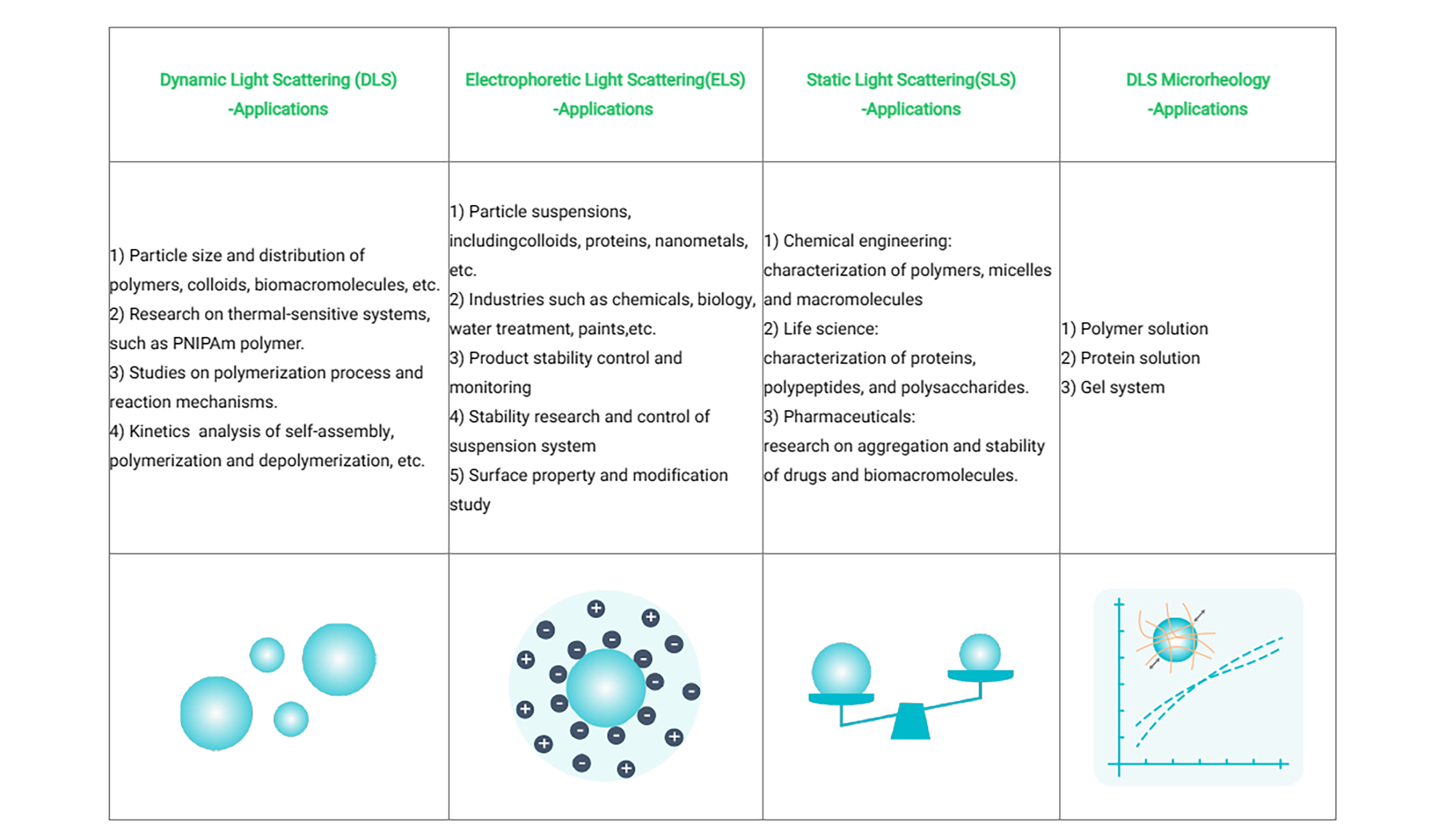
Dynamic Light Scattering (DLS), also known as Photon Correlation Spectroscopy (PCS) or Quasi-Elastic Light Scattering (QELS), is a technique used to determine particle size by analysing the Brownian motion of particles in a dispersion. DLS is based on the principle of Brownian motion, which relates particle size to velocity—smaller particles diffuse more rapidly, while larger particles move more slowly. The scattering intensities of the particles are detected by an avalanche photodiode (APD) and then converted into a correlation function. From this correlation function, a mathematical algorithm can be applied to obtain the diffusion coefficient (D). The hydrodynamic diameter (DH) and its distribution can be calculated using the Stokes-Einstein equation, which relates the diffusion coefficient to the particle size.
1.1 Backscattering Detection Technology
Using backscattering optics, the analyser automatically identifies the best detection position by evaluating the sample’s size, concentration, and scattering characteristics. This ensures maximum measurement accuracy while offering the adaptability needed to evaluate a wide range of samples with varying properties.
Features
-
- Wider Concentration Range: By optimising the detection position, highly concentrated samples can be detected near the edge of the sample cell, effectively minimising errors from multiple light scattering.
-
- Increased Sensitivity: Offers 8-10 times the scattering volume and approximately 10 times greater sensitivity as compared to traditional 90° optics.
-
- Expanded Size Detection Range: By minimizing multiple light scattering from larger particles, this approach enhances measurement accuracy. Additionally, the significantly larger scattering volume helps reduce the number fluctuations of large particles, leading to more reliable analysis.
-
- Better Reproducibility: Reduced effects from dust contaminants and unevenly distributed agglomerates, improving reproducibility
2. Zeta Potential Measurement — Electrophoretic Light Scattering (ELS)
In aqueous systems, charged particles are surrounded by counter-ions that form an inner Stern layer and an outer shear layer. Zeta potential is the electrical potential at the interface of the shear layer. A higher zeta potential indicates greater stability and less aggregation of the suspension system. Electrophoretic light scattering (ELS) measures electrophoretic mobility via Doppler shifts of scattered light, which can be used to determine the zeta potential of a sample by Henry’s equation.
Colloidal Stability
| Stable particle system | Unstable particle system |
|
|
2.1 Phase Analysis Light Scattering (PALS)
PALS is a more advanced technique than traditional ELS, which has been further developed by Bettersize to measure the zeta potential.
Features and Benefits
-
- Accurate measurement of samples with low electrophoretic mobility
- Effective for samples in organic solvents with low dielectric constant
- More accurate results for samples with high conductivity
- Effectively measures the zeta potential of particles whose charge approaches the isoelectric point
3. Molecular Weight Measurement — Static light scattering (SLS)
Static light scattering (SLS) is a technique that measures scattering intensities to calculate the weight-average molecular weight (Mw) and the second virial coefficient (A2) of a sample using the Rayleigh equation.
where c is the sample concentration, θ is the detection angle, Rθ is the Rayleigh ratio used to characterise the intensity ratio between the scattered light and the incident light at the angle of θ, Mw is the sample’s weight-average molecular weight, A2 is the second virial coefficient, and K is a constant related to (dn/dc)2.
|
Features & Benefits
|
Debye Plot |
4. DLS Microrheology Measurement
Dynamic Light Scattering Microrheology (DLS Microrheology) is an economical and efficient technique that utilizes dynamic light scattering to determine rheological properties. By analyzing the Brownian motion of colloidal tracer particles, information about the viscoelastic properties of the system, such as viscoelastic modulus, complex viscosity and creep compliance, can be obtained with the generalized Stokes-Einstein equation.
Features & Benefits
- Investigates rheological behaviors by measuring the thermally-driven motion of tracer particles within a material being studied
- Facilitates the measurement of a broad frequency range in a single measurement
- Suitable for dilute, weakly structured solutions
- Delivers fast results in 1–2 minutes with easy operation
- Offers rheological insights across a wide temperature range from -15°C to 120°C
- Complements conventional mechanical rheology
5. DLS Flow Mode Measurement
DLS flow mode provides a high-resolution size result of a complex, polydisperse system. When combined with front-end separation equipment such as GPC/SEC or FFF, particles are separated into monodisperse fractions and flow through the BeNano in sequence by size. The size of each fraction is continuously measured and summed into a high-resolution size distribution.
BeNano can acquire RI or UV signals, offering a more accurate volume and number distributions independent of the algorithm compared to a batch-mode measurement.
Features & Benefits
- DLS analyser connecting with GPC/SEC, FFF, etc.
- Receiving up to 3 signals from RI, UV, or other detectors
- 27 μL low-volume flow cell to avoid band broadening
- Size resolution as high as 1.3:1
- Size distributions weighted by number and volume, in addition to intensity
- Suitable for complex, polydisperse systems such as proteins, polymers, etc.
6. Temperature Trend Measurement
Features & Benefits
- Programmed temperature trend measurement from -15°C to 120°C
- Important for analysing particle size and zeta potential across varying temperatures
- Easy examination of protein formulation stability
- Accelerates real-time aging through elevated temperature simulation
7. Transmittance Measurement
Features & Benefits
- Measures transmittance rapidly by detecting the light intensity transmitted through the sample
- Requires a minimum sample volume of 3 μL
- Sensitive indicator for evaluating batch consistency in industrial products
- Quantitative tool for identifying sample instability
8. Refractive Index Measurement
The BeNano Series can determine the refractive index (RI) measurement of liquids with outstanding precision. A patented wedge-shaped cuvette holds the liquid sample while the CMOS detector measures the deflection of the light path after it traverses the liquid to calculate the RI.
Features & Benefits
- Patented technique supports a broad refractive index range from 1.2 to 1.6
- Requires only two calibration references and utilizes linear calibration suitable for extrapolation
- No tracer particles or prior knowledge of viscosity are required
- Enables DLS and ELS measurement for dispersants with unknown refractive indices
- Suitable for both organic and aqueous solvents
9. Concentration Measurement
The BeNano measures particle volume fraction and number concentrations in particles per milliliter (particles/mL) for each population through the patented LEDLS technique. The incident light passes through the sample and reaches a photodiode detector, which records the transmitted intensity. By comparing it with that of a blank solution and combining the data with the particle size distribution from dynamic light scattering, the particle concentration is determined.
Features & Benefits
- Enables fast measurement with single-angle Detection
- Simplifies sample preparation with no need for calibration
- Ideal for screening-type measurements
- Suitable for both aqueous and organic samples
10. Sedimentation Size Measurement
The BeNano Series provides particle size results based on the sedimentation method. The sedimentation rate of particles is directly related to their size, with larger particles settling faster. The PD detector monitors the changes in transmitted intensity over time, enabling the determination of particle size and distribution for particles up to 50 microns.
Schematic of the sedimentation method
Features & Benefits
- Expands size measurement range up to 50 μm
- Suitable for samples containing both nanoparticles and microparticles, meeting the needs of broad distribution samples
- Provides volume-based size distributions for micron-sized particles, consistent with laser diffraction results
- Achieves up to 1.5x size resolution for multiple peaks
11. pH Autotitration Measurement
The BAT-1 + Degasser units integrate seamlessly with the BeNano Series for automatic acid-base titration and isoelectric point (IEP) determination. The system automatically enables sample flow during measurement, ensuring high efficiency and consistent, operator-independent results, as well as precise titration.
An optional degasser is available to remove dissolved gases from titrants. Preventing bubbles improves the accuracy of zeta potential measurements.
Features & Benefits
- Accurate size and zeta potential analysis from pH 1 to 13
- Enhanced safety with minimal exposure to corrosive liquids
- Automated workflow reduces training needs and researcher workload
- Fewer manual steps minimise human error
- Completes each measurement cycle in as little as 30 minutes
- Smart Titration: Based on the initial pH and the target pH, the required titrants can be chosen automatically via the software
Technology
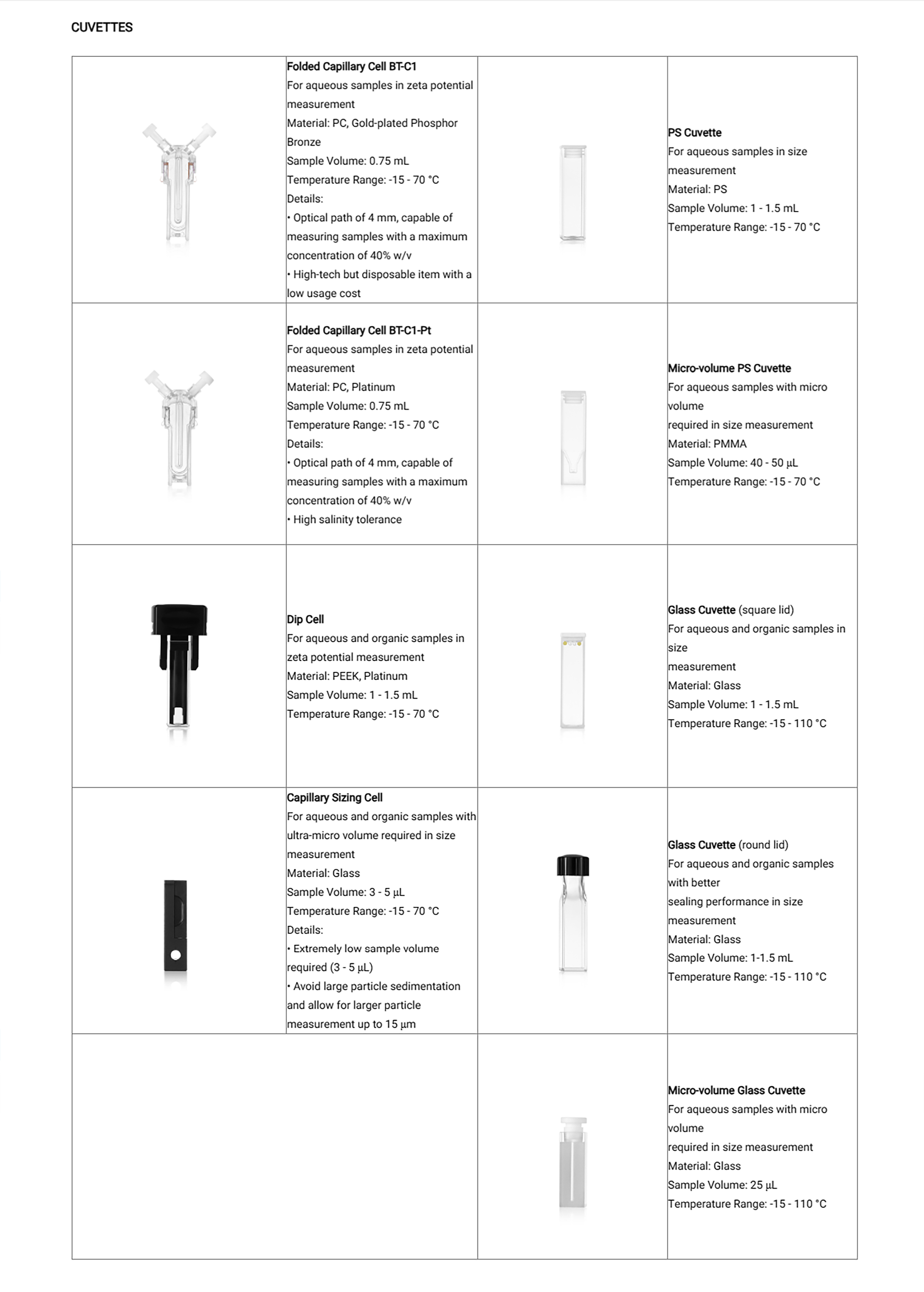
Accessories
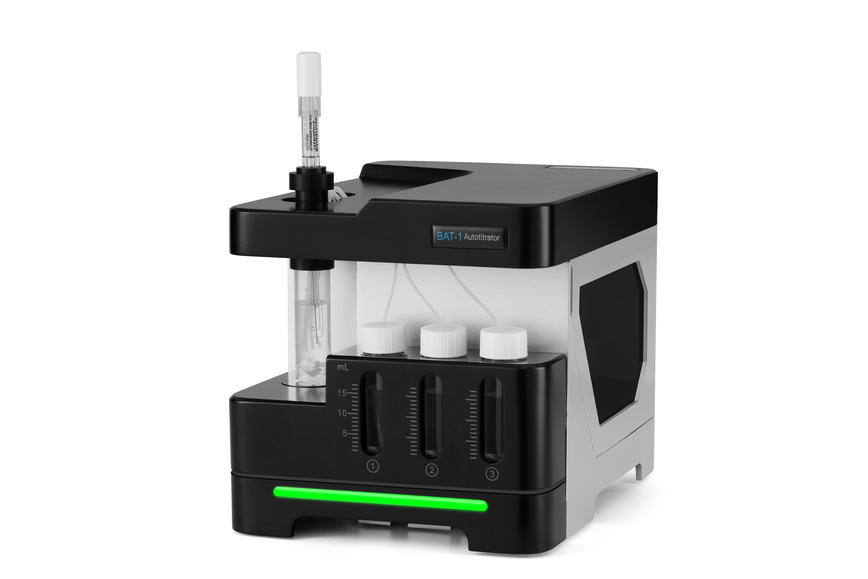
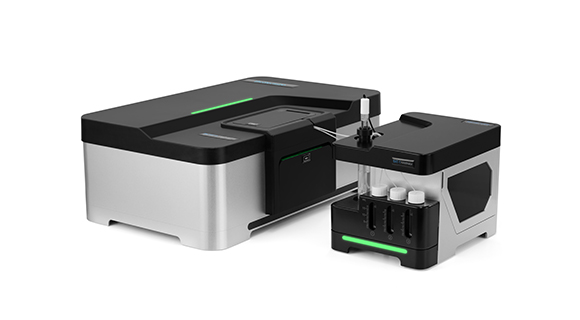
BAT-1 Autotitrator
1) Introduction
The BAT-1 Autotitrator is equipped with three high-precision titration pumps (with precision of 0.28 μL), and a magnetic stirrer, and is in combination with the BeNano series nanoparticle size and zeta potential analyzer for automatic acid-base titration and determination of isoelectric point (IEP). The pinch valve can close the circuit of the sample during the measurement, leading to high efficiency, accurate titration, good repeatability and the results being independent of operators. The disposable sample container can avoid the sample cross-contamination.
2) Features
- Combination electrode with high precision and high feedback speed
- High precision ternary titration pumps
- Controllable peristaltic pump with high flow capacity and high flow rate
- Internal magnetic stirrer system
- SOP operation
- Replaceable tubes
- Corrosion resistant design
- General purpose electrode
- Intelligentization
- Determination of isoelectric point
3) How it works
The BAT-1 Autotitrator is designed to be used with the BeNano series for the measurement of zeta potential over a wide pH range, providing the information of zeta potentials and the stability of samples in different conditions. The operation flow is as follows:
- a). Preparing the samples to be detected and the titrants in the containers, respectively;
- b). Creating or editing a titration SOP in BeNano software by setting the volume of the sample to be measured, the concentrations of the titrants, the initial pH, the target pH, the pH interval and the target pH tolerance, etc.;
- c). To start the determination, the sample is titrated to approach to the first pH value through automatic calculation, and is injected into the folded capillary cell by the peristaltic pump for zeta potential measurement;
- d). Repeating the above procedures until approaching the final target pH automatically;
- Saving and outputting complete data and the trend plot of zeta potential vs. pH;
- Giving the isoelectric point if it is included in the setting pH range.
4) Download BAT-1 Autotitrator Flyer
Applications
Battery Electrode Slurry

Monosaccharide Molecules

Resins

BSA Solution
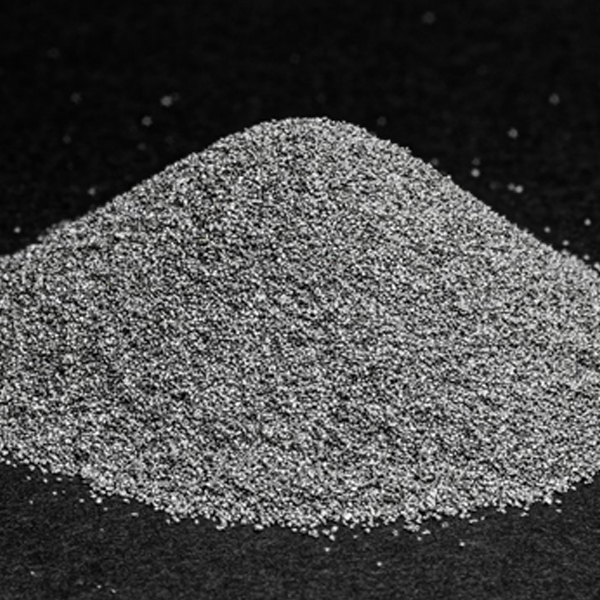
Aluminium Oxide
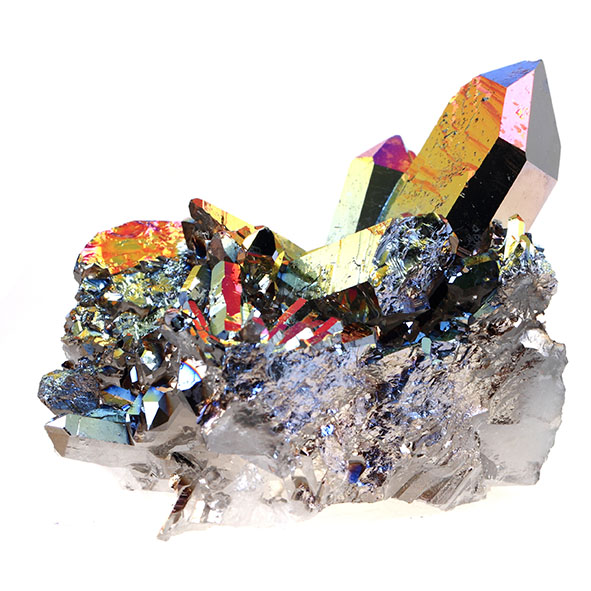
Titanium Oxide
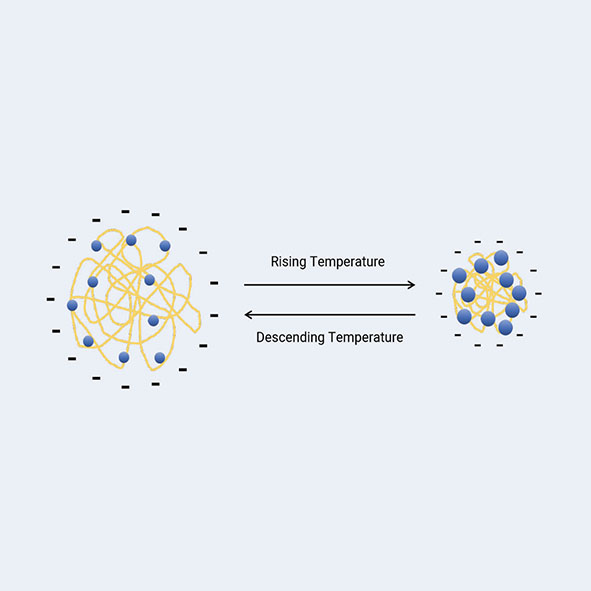
Thermal Sensitive Hydrogel

Latex antibody immunological reagents

Alumina Abrasives

Iron Dextran

Fat Emulsion
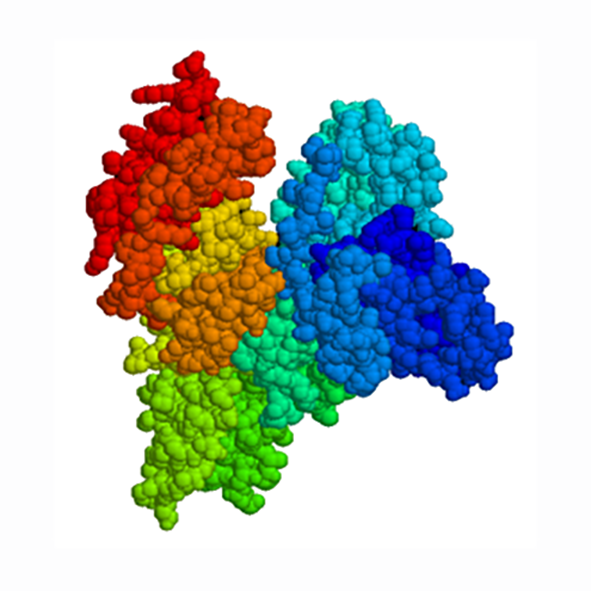
BSA Solution

Surfactant Micelles

Pigment
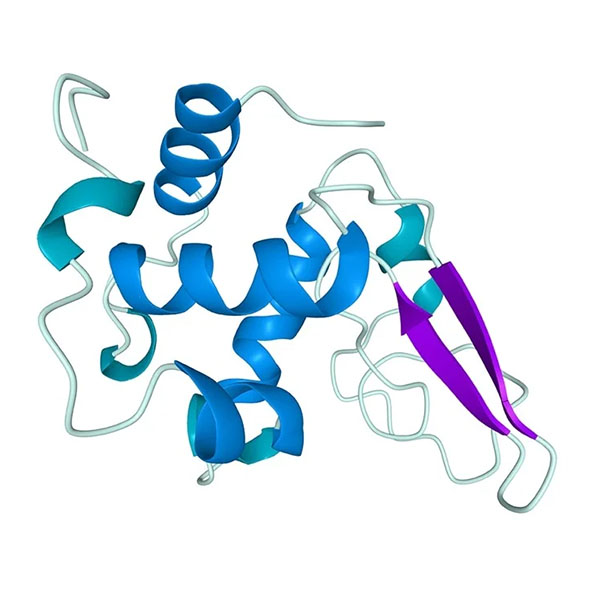
Bovine Serum Albumin

Coffee Creamer Powder
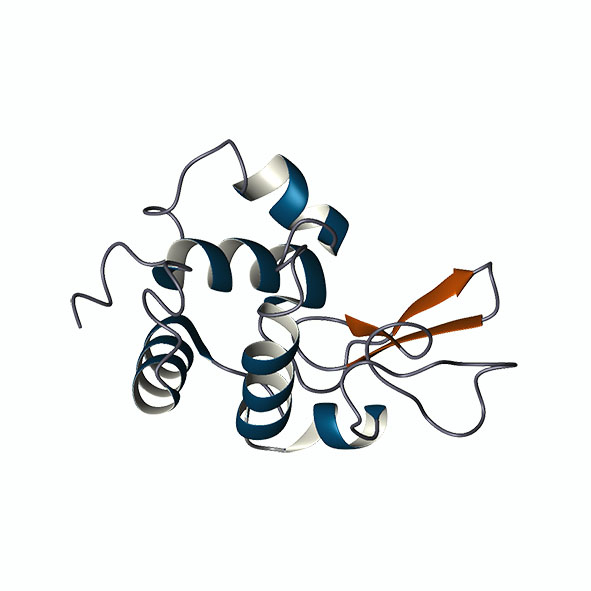
Lysozyme
Specification
|
Functions |
Parameter |
BeNano 180 Zeta Pro |
BeNano 180 Zeta |
BeNano 90 Zeta |
BeNano Zeta |
BeNano 180 Pro |
BeNano 180 |
BeNano 90 |
|
Size |
Size |
0.3 nm – 15 μm* |
0.3 nm – 10 μm* |
0.3 nm – 15 μm* |
N/A |
0.3 nm – 15 μm* |
0.3 nm -10 μm* |
0.3 nm – 15 μm* |
|
Sample volume |
3 μL – 1 mL* |
40 μL – 1 mL* |
3 μL – 1 mL* |
N/A |
3 μL – 1 mL* |
40 μL – 1 mL* |
3 μL – 1 mL* |
|
|
Detection angle |
90° & 173° & 12° |
173° & 12° |
90° & 12° |
N/A |
90° & 173° |
173° |
90° |
|
|
Analysis algorithm |
Cumulants, General Mode, |
Cumulants, General Mode, |
Cumulants, General Mode, |
N/A |
Cumulants, General Mode, |
Cumulants, General Mode, |
Cumulants, General Mode, |
|
|
Upper limit of |
40% w/v* |
40% w/v* |
Optically clear+ |
N/A |
40% w/v* |
40% w/v* |
Optically clear† |
|
|
Detection position |
Movable position |
Movable position |
Fixed position |
N/A |
Movable position |
Movable position |
Fixed position |
|
|
Zeta potential |
Detection angle |
12° |
12° |
12° |
12° |
N/A |
N/A |
N/A |
|
Zeta potential |
No actual limitation |
No actual limitation |
No actual limitation |
No actual limitation |
N/A |
N/A |
N/A |
|
|
Electrophoretic mobility |
> ± 20 μm·cm/V·s |
> ± 20 μm·cm/V·s |
> ± 20 μm·cm/V·s |
> ± 20 μm·cm/V·s |
N/A |
N/A |
N/A |
|
|
Conductivity |
0 – 260 mS/cm |
0 – 260 mS/cm |
0 – 260 mS/cm |
0 – 260 mS/cm |
N/A |
N/A |
N/A |
|
|
Sample volume |
0.75 – 1 mL |
0.75 – 1 mL |
0.75 – 1 mL |
0.75 – 1 mL |
N/A |
N/A |
N/A |
|
|
Sample size |
2 nm – 110 μm |
2 nm – 110 μm |
2 nm – 110 μm |
2 nm – 110 μm |
N/A |
N/A |
N/A |
|
|
Other |
Molecular weight |
342 Da – 2 x 10⁷ Da* | 342 Da – 2 x 10⁷ Da* |
342 Da – 2 x 10⁷ Da* |
N/A |
342 Da – 2 x 10⁷ Da* |
342 Da – 2 x 10⁷ Da* |
342 Da – 2 x 10⁷ Da* |
|
Viscosity |
0.01 cp – 100 cp* |
0.01 cp – 100 cp* |
0.01 cp – 100 cp* |
N/A |
0.01 cp – 100 cp* |
0.01 cp – 100 cp* |
0.01 cp – 100 cp* |
|
|
Interaction parameter |
No actual limitation |
No actual limitation |
No actual limitation |
N/A |
No actual limitation |
No actual limitation |
No actual limitation |
|
|
Trend measurement |
Time and temperature |
Time and temperature |
Time and temperature |
Time and temperature |
Time and temperature |
Time and temperature |
Time and temperature |
|
|
System |
Temperature |
-15℃ – 110℃, |
-15℃ – 110℃, |
-15℃ – 110℃, ±0.1℃ |
-15℃ – 110℃, |
-15℃ – 110℃, |
-15℃ – 110℃, |
-15℃ – 110℃, |
|
Condensation control |
Dry air or nitrogen |
Dry air or nitrogen |
Dry air or nitrogen |
Dry air or nitrogen |
Dry air or nitrogen |
Dry air or nitrogen |
Dry air or nitrogen |
|
|
Laser source |
50 mW Solid-state laser, 671 nm#, Class 1 |
50 mW Solid-state laser, 671 nm#, Class 1 |
50 mW Solid-state laser, 671 nm#, Class 1 |
50 mW Solid-state laser, 671 nm#, Class 1 |
50 mW Solid-state laser, 671 nm#, Class 1 |
50 mW Solid-state laser, 671 nm#, Class 1 |
50 mW Solid-state laser, 671 nm#, Class 1 |
|
|
Correlator |
Up to 4000 channels, |
Up to 4000 channels, |
Up to 4000 channels, |
Up to 4000 channels, |
Up to 4000 channels, |
Up to 4000 channels, |
Up to 4000 channels, |
|
|
Detector |
Avalanche photodiode |
Avalanche photodiode |
Avalanche photodiode |
Avalanche photodiode |
Avalanche photodiode |
Avalanche photodiode |
Avalanche photodiode |
|
|
Intensity control |
0.0001% – 100%, |
0.0001% – 100%, |
0.0001% – 100%, |
0.0001% – 100%, |
0.0001% – 100%, |
0.0001% – 100%, |
0.0001% – 100%, |
|
|
Dimensions |
62.5 x 40 x 24.5 cm |
62.5 x 40 x 24.5 cm |
62.5 x 40 x 24.5 cm |
62.5 x 40 x 24.5 cm |
62.5 x 40 x 24.5 cm |
62.5 x 40 x 24.5 cm |
62.5 x 40 x 24.5 cm |
|
|
Power supply |
AC 100-240 V, |
AC 100-240 V, |
AC 100-240 V, |
AC 100-240 V, |
AC 100-240 V, |
AC 100-240 V, |
AC 100-240 V, |
|
|
Conformity |
21 CFR Part 11, ISO 13321, ISO 22412, ISO 13099 |
21 CFR Part 11, ISO 13321, ISO 22412, ISO 13099 |
21 CFR Part 11, ISO 13321, ISO 22412, ISO 13099 |
21 CFR Part 11, ISO 13321, ISO 22412, ISO 13099 |
21 CFR Part 11, ISO 13321, ISO 22412, ISO 13099 |
21 CFR Part 11, ISO 13321, ISO 22412, ISO 13099 |
21 CFR Part 11, ISO 13321, ISO 22412, ISO 13099 |
|
|
Optional Accessories |
Disposable |
40 – 50 μL |
40 – 50 μL |
40 – 50 μL |
N/A |
40 – 50 μL |
40 – 50 μL |
40 – 50 μL |
|
Micro-volume |
25 μL |
N/A |
25 μL |
N/A |
25 μL |
N/A |
25 μL |
|
|
Glass cuvette |
1 mL |
1 mL |
1 mL |
N/A |
1 mL |
1 mL |
1 mL |
|
|
Capillary sizing cell |
3 – 5 μL |
N/A |
3 – 5 μL |
N/A |
3 – 5 μL |
N/A |
3 – 5 μL |
|
|
Dip cell kit |
1 – 1.5 mL, |
1 – 1.5 mL, |
1 – 1.5 mL, |
1 – 1.5 mL, |
N/A |
N/A |
N/A |
|
|
* Dependent on samples and accessories † Up to 40% w/v using capillary sizing cell # 10mW 633nm He-Ne laser available on request |
||||||||
Not sure if it’s the right instrument?
No worries, send us a sample and we will test it for you
Send a sampleOutstanding service

I have been using Meritics for a number of years and they always provide outstanding service and support.
They have a rapid response turnarounds and are very knowledgeable of the techniques and products they provide.
LeanneB-375
Good service, very helpful
We use Meritics for the PM service and installation of all our FlowCams . Megan has been coming to our site for a number of years. She is very efficient in her work, but most of all Megan is very helpful. We have had issues with one of instruments after the install and Megan did her utmost to try and solve it while on site, even though it wasn’t solved Megan has been in contact with the supplier of the instrument to try and solve this problem for us.
SophieH-2201
Job done in a friendly manner
Booking engineer visits is always easy. David Lowe, Meritics engineer is always very friendly.
ThierryN
Service/calibration visit
Excellent service, arrived on time, polite, friendly and informative.
NathamM-270
5 Stars
Excellent service from an excellent company. Would recommend them to anyone.
BarryH-480
Good Service
David, our service engineer as usual was good at communicating and setting up the recent service appointment, he arrived on time, did the service promptly and informed me of any problems. Friendly and helpful
TomA-446
Superb and prompt service
I have used this company through the laboratory I work for frequently. We specialise in soil analysis, and Meritics were chosen as they have extensive knowledge of the instruments we use. We have several laser particle diffraction analysers with a service contract, and service is always very prompt and meticulous….
JamesG-2483
Good experience over two years
Meritics have covered the annual servicing of our Multisizer 4e instrument since we purchased it from them just over two years ago. The application scientist who performed the servicing was friendly, knowledgeable, and extremely helpful, happily answering a barrage of questions about how best to use and maintain the instrument. All my interactions with Meritics staff have been positive. I would happily recommend them.
RajG-62
Fully committed to customer service
Service second to none, both units serviced and all questions answers by engineer while on site.
RichardA-786
Highly recommend Meritics for equipment purchases and aftercare services
After owning one of our instruments for over 8 Years which was purchased from Meritics, it suffered its first breakdown. Upon contacting Meritics, I was instantly put through to an engineer who was very helpful. Upon inspection of the manual, it was decided that it would be more cost effective to have a Meritics engineer visit. The Meritics staff were very communicative and kept me up to date.
Excellent Service
Lovely, friendly and extremely helpful. David and his team are always on call with advise and are very easy to work with and are always happy to help.
NaomiT-64
Service of lab equipment
Excellent service. Friendly and professional service was provided in a timely manner to the expected standard.
NathanM-270
Excellent
Excellent communication. Updates given well in advance. Very polite staff and engineers.
NathanM-270
Multisizer 4e install at pharmaceutical company
2 people helped with the install of a Multisizer 4e. They were both very professional and friendly, answering any questions that I had. The installation was quick and the attention to good documentation practice was exceptional.
Chloel-9
Service of Beckman Coulter instruments
Always a pleasure to welcome the Meritics service engineer, who is knowledgeable, personable and extremely competent.
NeilT-394
Professional
Friendly and collaborative staff, provided a very good service.
SamK-403
Professional, Customer-oriented, fast service
We had issues with one of the aperture tubes provided by Meritics on a Friday afternoon, while very pressed for a review deadline. Meritics handled our inquiries very fast and professionally and helped us out by shipping us their spare tube to use in the mean time free of charge, while we waited for our new tube to arrive. Communication was very pleasant.
VeerleB
Very helpful and prompt
I emailed for some technical help and also to get some spares and both the engineer (David) and purchasing (Sophie) were very prompt to respond and helpful. We do have a service contract but I appreciated being able to email the engineer directly.
AlexH-474
Excellent Service
Used Meritics to conduct particle size distribution by laser diffraction. Service as last time, is very quick, well priced and professional.
I would highly recommend
GavinR-101
Excellent and Friendly Service
Always a pleasure to deal with the people at Meritics Ltd. They understand the importance of our work and the fact that our research projects have deadlines that need to be met. Consequently, problems are dealt with very quickly and professionally and they are willing to go that one step further to make sure their supply chain problems don’t become our problems. Thank you to the team for their support. It is greatly appreciated.
JanetH-255