Author: Sophie Lindsey

Adsorption of Mixed Gases

Technology
Adsorption of Mixed Gases

Adsorption of mixtures: Dynamic sorption of gas and vapor mixtures

Challenges such as the adsorption of CO2 from dry and moist air, the adsorption of methane from biogas or the differentiation of the relevant physisorption behavior of adsorbents in gas and vapor mixtures are different from classical methods for texture determination. The main reason here is the fact, that a sorption of mixtures is occurring and the mixture needs to be separated accordingly in order to discover, which component is adsorbed at which magnitude.

BioLector Microbioreactor

Especially the selectivity plays a crucial role in the adsorption of mixtures, since the task requires the stronger adsorption of one component within the mixture in comparison to other residual components. In order to predict or model technical processes and extract data with practical relevance, the following investigations become more and more important:

  • dynamic adsorption and desorption from a gas flow
  • determination and evaluation of breakthrough curves
  • investigation of sorption kinetics
  • investigation of co-adsorption and displacement effects
  • determination of sorption selectivity
  • determination of sorption equilibria in gas and vapor mixtures
  • scaling of technical sorption processes
  • investigation of heat balance in dynamic adsorption processes

Analytical method

In order to minutely project technical adsorption processes, a representative selection of sample as well as an authentic representation of the flow field is required within the reactor bed.

BioLector Microbioreactor

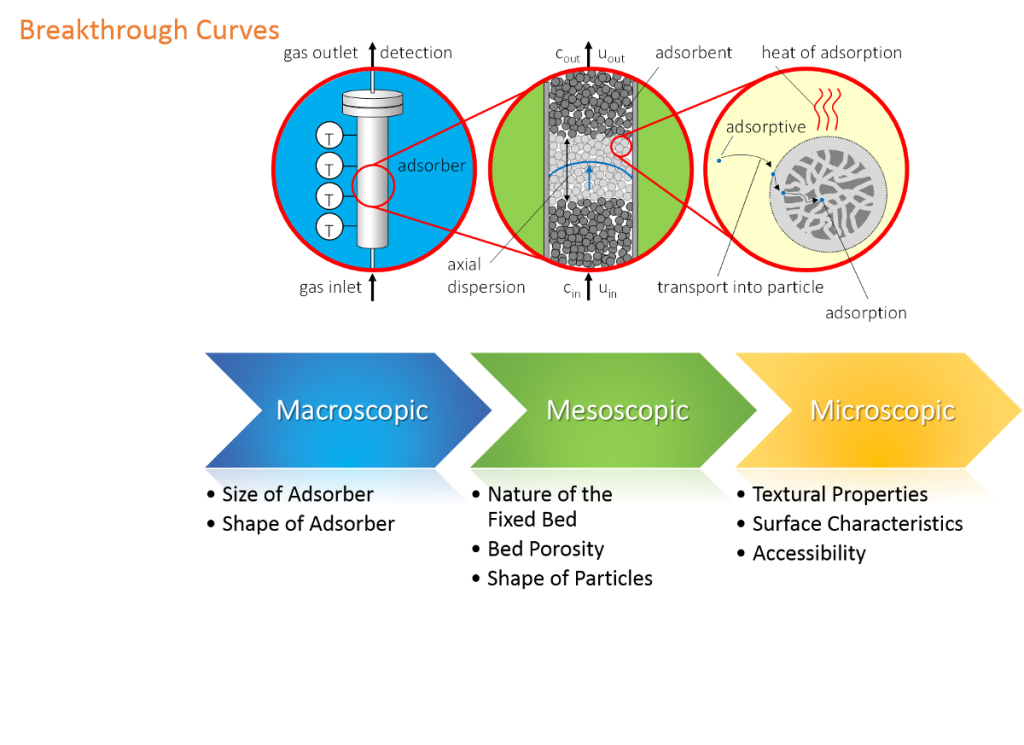
The standard column of the mixSorb L with a volume of roughly 100ml and an internal diameter of 3cm has been modelled precisely towards these characteristics. The robust construction from stainless steel allows for experiments at temperatures up to 450°C and pressures of up to 10bar. Four Pt-100 thermo-couples positioned equidistantly along the reactors columns central vertical axis and allows for high resolution recording of temperature profiles within the reactor bed. Up to four internal mass-flow controllers allow for the arbitrary composition as well as streaming speed of gas mixtures. The detection and composition of gases and mixtures is carried out by an internal thermal conductivity detector or an additional mass spectrometer. Reversion of the flow direction within the column allows for in-detail studies of desorption processes in technical adsorbents. This allows for the investigation of regenerative capabilities as well as cyclic durability of technical adsorbents while at the same time allowing for the simulation and investigation of complex pressure swing adsorption processes (PSA).

Example

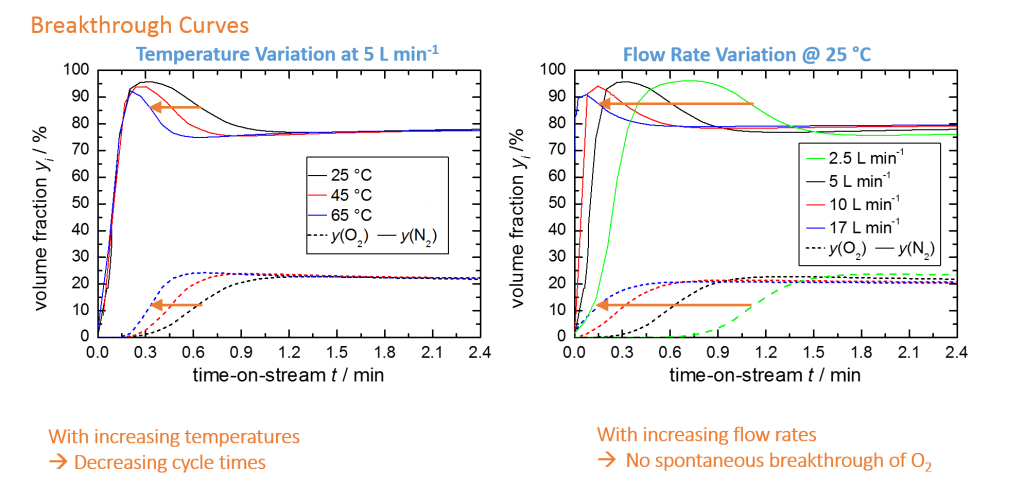
The following scheme exemplifies the possibilities of the mixSorb L for investigating the characteristics of practical relevance within the separation of air on a carbon-based molecular sieve. The influence of temperature on the cycling time of the adsorber as well as the breakthrough speed of oxygen was investigated. These methods require the mixSorb-software mixSorb Manager, which handles dosing, measurement and data recording and reduction fully automated.

BioLector Microbioreactor

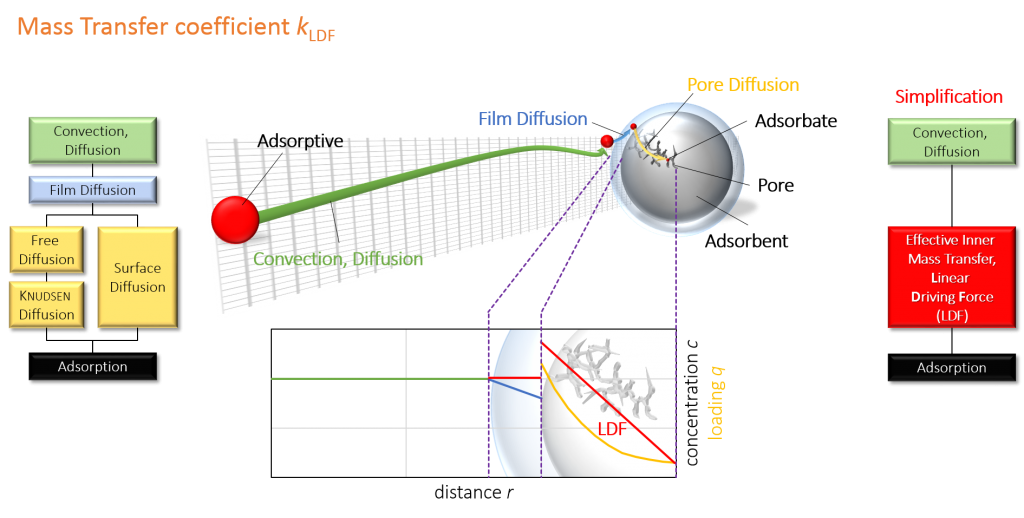
Furthermore, the mixSorb L comes with the simulation software 3P-Sim, which is an extraordinary tool for comparing experimental and theoretical data and calculating the experimental effort required for certain tasks by calculating gas mixture data from pure gas isotherms. The figure below showcases how diffusion parameters are merged into the linear driving force (LDF-) factor and below that, how fitting of the mass transfer coefficient kLDF describes experimental curves (both breakthrough and temperature curve) in the software simulation.

BioLector Microbioreactor

  • Product

Continue reading

Gas Adsorption

Technology
Gas Sorption

Gas adsorption: pore volume and pore size distribution

Gas adsorption for surface and pore analysis offers solutions for pore characterization between 0.3 nm and approx. 500 nm. The determination of BET surface areas and further methods to characterize pores are described on this website as separate methods. In principle the smallest pores are filled first with gas molecules. With increasing pressure successive pore filling of the larger pores takes place. Based on different evaluation models calculations are done to determine pore volumes or pore size distributions. The advantage of gas sorption lies in performing pore analytics of very small pores (micro- and mesopores).

Measuring method

1. Adsorption isotherm

BioLector Microbioreactor

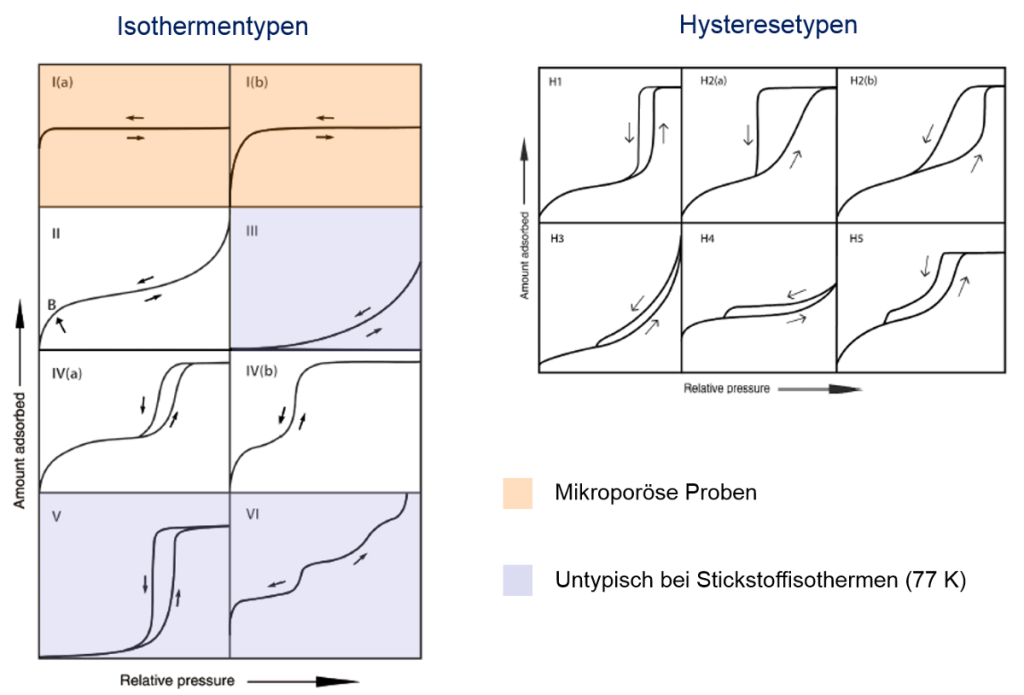
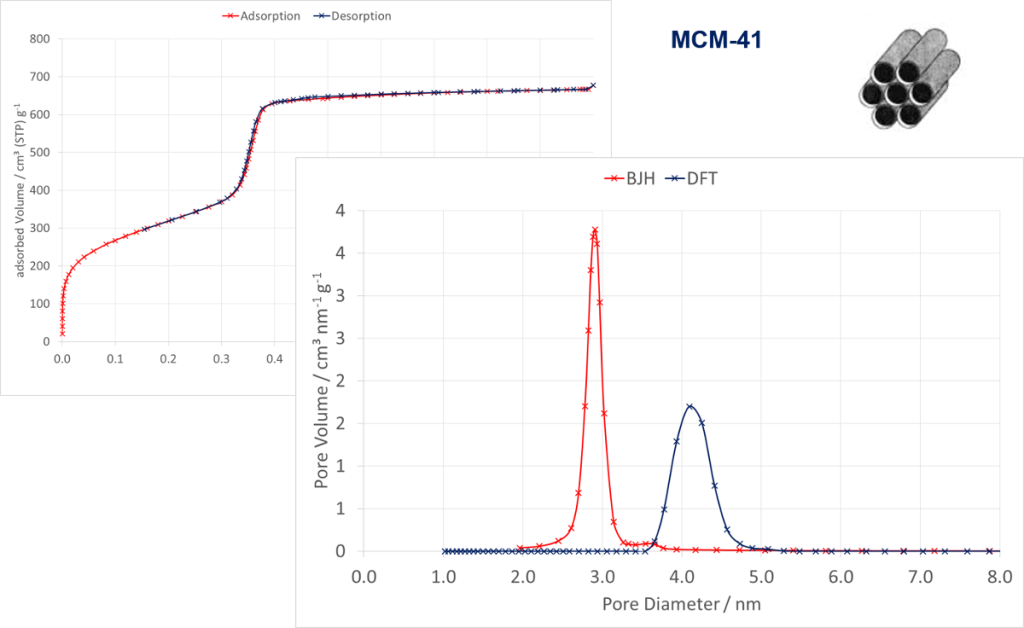
The figure illustrates the classification of isotherm and hysteresis types according to the surface and pore structure of non-porous, micro-, meso- and macroporous materials. Besides BET surface area calculations (see corresponding method on this website) isotherms are used to determine pore volumes (micropore- and total pore volume) as well as pore size distributions. Traditional models are e.g. the BJH method for mesopore analysis, the Gurvich rule for total pore volume calculations or Dubinin equations for micropore analysis. To improve these models different groups around the world develop new calculation models. State-of-the-art models are the so-called DFT (density functional theory) models and Monte-Carlo simulations.
In contrast to mercury porosimetry gas adsorption offers different advantages such as mercury-free and easy handling with measuring cells. The measuring range already starts in the micropore range (approx. 0.3 nm) which is not accessible by mercury porosimetry.

Example

The following figure shows an isotherm of a MCM-41 material measured with Nitrogen at 77 K. The applied evaluation models depends on the type of isotherm and therefore on the kind and ratio of pores. For small mesopores the classical BJH- and modern NLDFT methods were applied. These results show that both methods differ and the real pore size of approx. 4.1 nm could not be calculated exactly by the BJH method.
Due to the large number of calculation methods for adsorption isotherms 3P Instruments offers advanced training in terms of surface- and pore characterization analysis to exchange experiences.
During this training various topics are discussed such as sample preparation, measuring and interpretation of different kind of solids by means of concrete examples.

Adsorotion

2. Gas adsorption at different temperatures

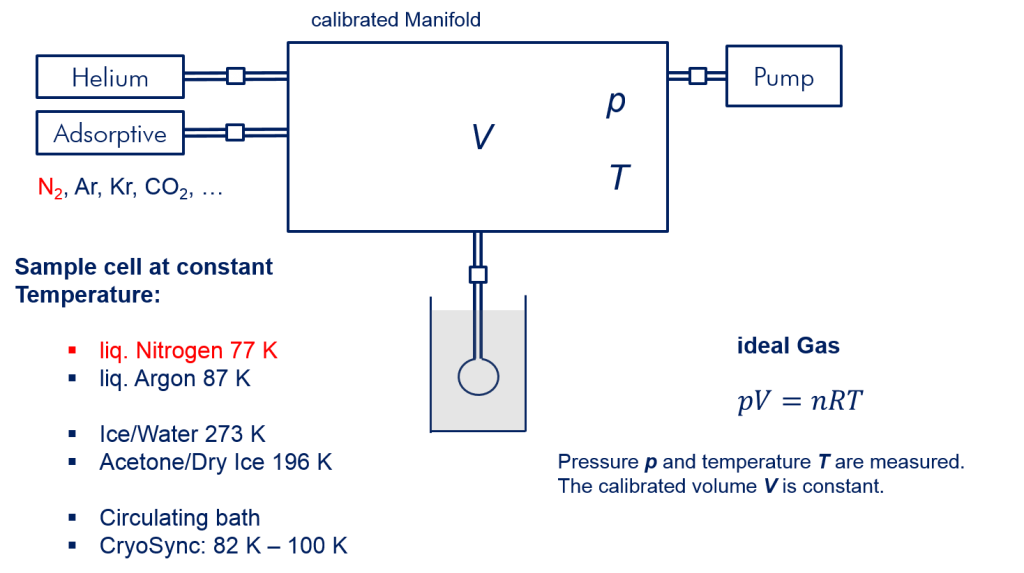
Pore size analysis by gas sorption is usually done in a relative pressure range between 0 and 1 by measuring the isotherm of gas at its boiling point. Due to the costs and availability of liquid Nitrogen, normally Nitrogen isotherms are measured at 77 K. In principle each gas can be used at different temperatures to investigate the sorption behaviour or to discuss the analysis of the pore structure data also in terms of practical separation processes. Following gas sorption methods have been proved:

  • Argon at 87 K for micropore determination according to the IUPAC classifications
  • Krypton at 77 K to determine small BET surface areas.
  • Krypton at 87 K to analyse small mesopores in thin, porous layers
  • CO2 at 273 K to investigate small micropores < 1.5 nm
  • H2, CH4, CO2 etc. at different temperatures to investigate gas storage applications
    various adsorptives at different measuring temperatures to compare adsorption processes or the validation of substance-specific parameters and interpretation models for pore analysis
  • Isotherms of an adsorptive at different temperatures to calculate adsorption enthalpies (isosteric heats of adsorption)
  • Chemisorption: H2, CO, NH3, pyridine etc. to characterize active surfaces of catalysts
  • practical relevant investigation of gas- and vapor mixtures by dynamic sorption methods

Example

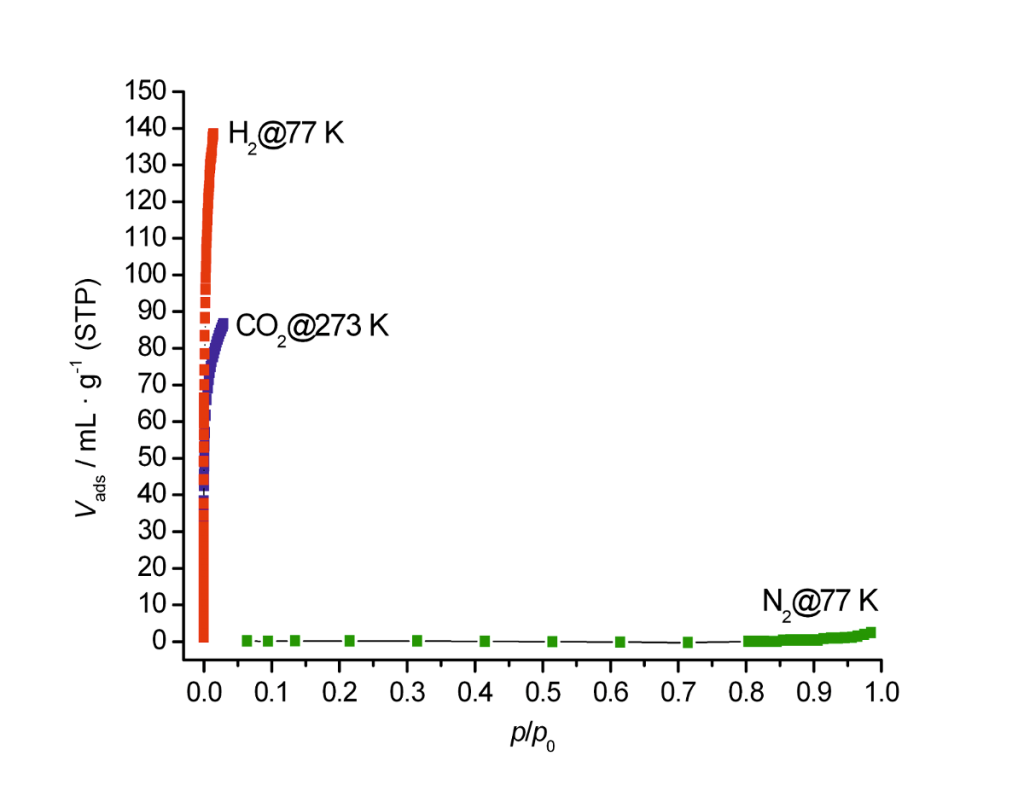
Isotherms of Nitrogen at 77 K, CO2 at 273 K and H2 at 77 K were measured on a zeolite 4A. In comparison to hydrogen at 77 K or CO2 at higher temperature, Nitrogen shows almost no adsorption at 77 K. This example shows that Nitrogen measurements at 77 K are not the appropriate method to analyze micropores smaller than 0.5 nm. Other adsorptives than Nitrogen and temperatures have to be used. Our LabSPA (Lab for Scientific Particle Analysis) performs test and contract analyses of different kind of gases at various ranges of temperature and pressure.

Adsorotion

  • Product

Continue reading

Gene Regulation Application Note

Biological
Applications
Gene Regulation

Gene Regulation, Lac Operon / Lac Repressor
(DNA-Protein binding)

The regulation of lac operon (lacO), a set of
Escherichia Coli genes responsible for the lactose
metabolism in the bacteria, by the lac repressor is a
well-studied system in molecular biology. The lac
repressor, a DNA-binding protein (lacl), is key to
controlling the lac operon. The equilibrium
dissociate constant (KD) of this system is estimated
to be in the nM range.

Continue reading

Environmental Waters Application Note

Industrial
Applications
Environmental Waters

On-site testing of RDX in environmental waters

Energetic materials (commonly known as explosives)
such as 1,3,5-trinitroperhydro-1,3,5-triazine (RDX)
(Figure 1) has been used extensively in the
manufacturing of munitions, and accounts for a
large part of the explosive’s contamination at active
and former military installations in various parts of
the world. 1 Most RDX compounds are not
significantly retained by soils and biodegrade very
slowly. As a result, RDX can easily percolate through
the ground to contaminate ground water which
serves as drinking water for surrounding
populations. RDX is not only classified as potentially
carcinogenic, but it can also damage the nervous
system if inhaled or ingested. Hence, continuous
monitoring of RDX levels in ground water would be
ideal for public safety to reduce RDX exposure to the
population and limit its potentially adverse health
effects.

Continue reading

Protein-small Molecule Interaction Application Note

Biological
Applications
Protein-small molecule interaction

Understanding the mechanism of action of
transmembrane (TM) proteins

The CD36 (cluster of differentiation 36) is part of
transmembrane proteins with versatile functions.
Encoded by the CD36 gene, the CD36 protein is
found on the surface of many cell types in
vertebrates. It has various roles in lipid uptake, cell
adhesion and pathogen sensing. As a result, several
diseases related to arterial hypertension, diabetes,
cardiomyopathy are associated with mutation or
misregulation of these transmembrane proteins.

Continue reading

Immunosensing Application Note

Biological
Applications
Immunosensing

Understanding the factors affecting sensing efficiency in SPR
biosensing

Acute lymphoblastic leukemia (ALL) is a disease where
immature white blood cells originated from the bone
marrow become cancerous, inducing proliferation in
the blood flow and subsequently to organs in addition
to prevent the proper function of other blood cells. One
of the main chemotherapeutic agents proven for its
efficacy for ALL is the E. coli L-asparaginase (EcAII) as a
biological therapeutic agent. The challenge with
undergoing such treatment is that the patient can
potentially develop silent inactivation of the biological
chemotherapeutic agent by generating antibodies to
neutralize EcAII and therefore reducing treatment
efficiency.

Continue reading

Antibody QC Application Note

Biological
Applications
Quality Control of Antibodies

Rapid quality control of antibodies using Affinité’s simple
P4SPRTM

The quality control of biopharmaceuticals such as
antibodies must be performed to ensure quality and
safety. For instance, the quality of antibodies is affected
by process parameters such as pH, temperature, CO2,
and cell culture metabolites [1]. Not only should these
biopharmaceuticals be characterized by standard
physicochemical methods such as mass spectrometry,
but their biological activities must also be investigated
as well. This has traditionally been done using endpoint
assays such as Enzyme-Linked Immunosorbent Assays
(ELISA). However, these assays do not provide
kinetic and affinity data. An alternative method is
Surface Plasmon Resonance (SPR). SPR is a powerful
technique to characterize proteins because it is a label
free technique that enables real-time assessment of
protein interactions, and it does not require much
sample preparation.

Continue reading

Protein-Protein Application Note

Biological
Applications
Protein-Protein

Rapid screening of protein-protein interactions

The central dogma of molecular biology stipulates
that DNA is transcribed to RNA, and RNA is
subsequently translated into protein [1] . While the
central dogma adequately encapsulates the field of
molecular biology, protein-protein interactions are
at the heart of virtually every biological process.
While many are familiar with the term genome, the
comprehensive genes of organism, or the term
proteome, the comprehensive proteins expressed
in an organism, fewer are familiar with an
organism’s interactome. In short, the interactome
typically refers to the entire set of protein-protein
interactions (PPIs) in an organism. The importance
of protein-protein interactions, and its central
nature in biological processes, is highlighted by its
role in human diseases.

Continue reading

Protein Application Note

Biological
Applications
Protein

Drug discovery application: Determination of dissociation
constant (KD) between a fragment and a protein

Drug discovery is a long and rigorous process, and
there are many approaches from different branches
of science to find ideal drug candidates. Fragment
based drug discovery has been established as a
strategy to identify small compounds that can be
further developed into leads and clinical candidates
(1, 2). Fragment compounds are typically < 300 Da in size (3), and they are typically screened against a target protein.

Continue reading

Vaccine Application Note

Industrial
Applications
Vaccine Monitoring

Detection of hemagglutinin using Affinité’s P4SPRTM as a
potential platform to monitor production of influenza
vaccine

The influenza vaccine is manufactured each year to
protect people against serious illness that require
hospitalization and reduce the number of
mortalities associated with influenza. Therefore, the
timely production and validation of influenza
vaccine lots are of utmost importance. Each vaccine
lot must be evaluated for potency, which is based on
the amount of the hemagglutinin (HA) content
found on influenza viruses in the vaccine.

Continue reading

ezSPR

Affinite
ezSPR

Benchtop SPR

  • Core technology
  • Flexible design
  • Rapid data processing

Download
brochure
   Request
quote

Beckman Coulter LS 13 320 XR Laser Diffraction Particle Size Analyser 21 CFR Part 11

Core Technology

Basic thin film SPR found in most benchtop devices capable of detection in complex media such as serum, plasma, cell lysates, or wastewater.

Flexible Design

Adaptable from injection to sensor. Comes with two injection models with multiple options to meet your research needs

Rapid Data Processing

Intuitive software providing key data for biosensing and protein interaction characterization in real time.

  • Key Features

    • Thin film-based Kretschmann configuration SPR
    • Switchable manual or sample loop injection mode
    • Two sensing channels
    • Two independent pump with sample injection loops
    • Each loop injection volume 100 micro L
    • Sensitivity: 2750 nm/RIU
    • Resolution : 1 micro RIU
    • Dynamic range: 1.33 to 1.39 refractive index unit
    • Coefficient of variation on signal: < 0.6%
    • Polychromatic light source
    • ezControl™ graphic user interface
    • Output data compatible with TraceDrawer™
  • Applications

    Gene Regulation

    Environmental Waters

    Protein-small molecule interation

    Immunosensing

    Antibody QC

    Protein-Protein

    Protein

    Vaccine

Not sure if it’s the right instrument?

No worries, send us a sample and we will test it for you


Send a sample

  • Name of customer

    Morbi ornare magna nec tortor rutrum interdum. Donec interdum facilisis elit, et iaculis nunc facilisis vitae. Sed quis semper dolor, id efficitur ex.
  • Name of customer

    Morbi ornare magna nec tortor rutrum interdum. Donec interdum facilisis elit, et iaculis nunc facilisis vitae. Sed quis semper dolor, id efficitur ex.
  • Name of customer

    Morbi ornare magna nec tortor rutrum interdum. Donec interdum facilisis elit, et iaculis nunc facilisis vitae. Sed quis semper dolor, id efficitur ex.
  • Name of customer

    Morbi ornare magna nec tortor rutrum interdum. Donec interdum facilisis elit, et iaculis nunc facilisis vitae. Sed quis semper dolor, id efficitur ex.
  • Name of customer

    Morbi ornare magna nec tortor rutrum interdum. Donec interdum facilisis elit, et iaculis nunc facilisis vitae. Sed quis semper dolor, id efficitur ex.
  • Name of customer

    Morbi ornare magna nec tortor rutrum interdum. Donec interdum facilisis elit, et iaculis nunc facilisis vitae. Sed quis semper dolor, id efficitur ex.
  • Name of customer

    Morbi ornare magna nec tortor rutrum interdum. Donec interdum facilisis elit, et iaculis nunc facilisis vitae. Sed quis semper dolor, id efficitur ex.

Continue reading

P4SPR

Affinite
P4SPR

Surface Plasmon Resonance

  • Dual and Quad inlet modules
  • Fast assay development
  • Ideal for intermediate screening

Download
brochure
   Request
quote

Beckman Coulter LS 13 320 XR Laser Diffraction Particle Size Analyser 21 CFR Part 11

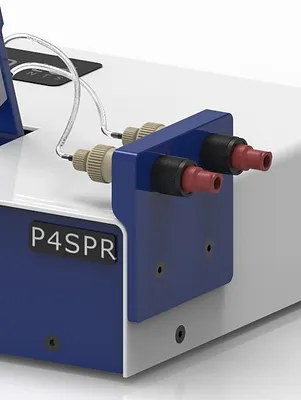
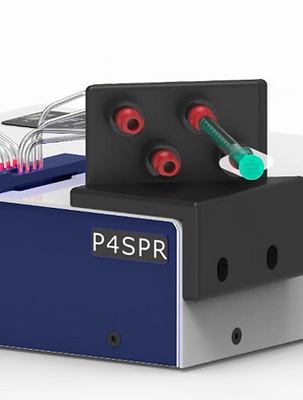
The P4SPR utilises Surface Plasmon Resonance (SPR) technology to deliver precise, real-time measurements of molecular interactions. This Surface Plasmon Resonance system is ideal for studying binding kinetics, affinity, and concentrations without the need for labels. By leveraging advanced SPR technology, the P4SPR enhances biosensing accuracy and sensitivity, making it an invaluable tool for research in fields like biochemistry, pharmaceuticals, and material science.

Core Technology 

Basic thin film Surface Plasmon Resonance (SPR) found in most benchtop devices capable of detection in complex media such as serum, plasma, cell lysates, or wastewater.

Flexible Design

Adaptable from injection to sensor. Comes with two injection models with multiple options to meet your research needs

Rapid Data Processing

Intuitive software providing key data for biosensing and protein interaction characterization in real time.

  • Key Features

    • Thin film-based Surface Plasmon Resonance (SPR)
    • Dimensions: 175 x 155 x 55 mm
    • Weight: < 1.3 kg.
    • USB powered
    • Microfluidic cell min. volume: 50 uL
    • Sensitivity: 2750 nm/RIU
    • Resolution : 1 micro RIU
    • Dynamic range: 1.33 to 1.39 refractive index unit
    • Coefficient of variation on signal: < 0.6%
    • Polychromatic light source
    • P4SPR Control™ graphical user interface
    • ezControl graphic user interface
    • Output data compatible with TraceDrawer™
    • CE Marked
  • Dual Inlet Module

    Best for assay development

    • Triplicate sample channel measurement with reference channel
    • Connect to Affinité’s injection loop side module for kinetics analysis
  • Quad Inlet Module

    Best for intermediate screening

    • Simultaneous comparison of four different samples at once.
    • Fewer chip consumable usage.
  • Applications

    Gene Regulation

    Environmental Waters

    Protein-small molecule interaction

    Immunosensing

    Antibody QC

    Protein-Protein

    Protein

    Vaccine

Not sure if it’s the right instrument?

No worries, send us a sample and we will test it for you


Send a sample

Continue reading

Water Treatment

Industry Information
Water Treatment

Why particle characterisation is important in water treatment

Particle characterisation is crucial for designing effective filtration and purification systems. It helps identify particle size, shape, and distribution, enabling the selection of appropriate treatment methods. Accurate characterisation ensures efficient contaminant removal, optimal chemical dosing, reduced operational costs, and compliance with water quality standards.

Surface Plasmon Resonance

Surface plasmon resonance detects contaminants at low concentrations, enabling real-time monitoring and efficient removal of pollutants, improving water quality and ensuring compliance with environmental regulations.

BET analysis

BET analysis measures surface area of adsorbents in water, optimising the selection and performance of materials for efficient contaminant removal, enhancing purification processes and ensuring water quality.

Image Analysis

Image analysis enables the detection and quantification of contaminants and microbial activity, improving monitoring accuracy, optimising treatment processes, and ensuring compliance with water quality standards.

Case study

A manufacturing plant producing electronics components faced significant challenges with wastewater containing heavy metals like lead (Pb) and cadmium (Cd). Traditional monitoring methods were insufficient for real-time detection and quantification of these contaminants at low concentrations, posing environmental and regulatory compliance risks.

The integration of SPR technology for real-time monitoring of heavy metal contaminants in wastewater demonstrated significant improvements in detection sensitivity, treatment efficiency, and regulatory compliance. This case study highlights the potential of SPR as a vital tool in advanced water treatment systems, ensuring environmental safety and operational efficiency.

Instruments to support the water treatment industry

Applications to support the water treatment industry

Continue reading

Ceramics

Industry Information
Ceramics

Meritics particle characterisation solutions for the Ceramics Industry

Particle characterisation is vital for ceramic industries as it dictates product quality, performance, and processing efficiency.

Particle Size Analysis using Laser Diffraction

Understanding particle size distribution ensures uniformity in properties like strength and shrinkage, crucial for product consistency. Meritics supply particle sizing solutions to customers working with both traditional and advanced ceramics

Particle Shape Analysis using Flow Imaging Microscopy

Particle shape influences packing density and flowability, impacting processing methods and final product properties. Meriitics offer a wide range of shape analysers, we offer stand alone units, modules to compliment your particle sizing and counting instrumentation and sizing instruments with shape analysis built in.

Surface Area Analysis using BET Analysers

Surface area measurement guides in optimising material reactivity and porosity, essential for functionalities like adsorption and catalysis. Meritics offer comprehensive range of surface area analysers.

Case study

We take pride in our reputation for producing high-quality ceramic tiles for both domestic and international markets. However, like any manufacturer, we faced challenges in maintaining consistent quality across our product line despite stringent quality control measures.

Our primary challenge was to reduce defects such as surface imperfections, color variations, and dimensional inconsistencies, which led to increased waste and customer dissatisfaction.

To tackle these challenges head-on, we decided to integrate image analysis technology into our quality control process.

Using Meritics specialist knowledge in particle characterisation instruments we were able to find the best solution to suit our needs. This was a FlowCam 5000, which measures particles in the range of 3 μm to 300 μm

By harnessing the power of image analysis technology, we transformed our quality control process, achieving greater accuracy, efficiency, and cost-effectiveness.

Instruments to support the ceramics industry

Applications to support the ceramics industry

Continue reading

Polymers and Plastics

Industry Information
Polymers and Plastics

Why particle characterisation is important in the polymers and plastics industry

Meritics provides tailored particle characterisation solutions for the polymers and plastics industries, offering advanced techniques such as laser diffraction and flow imaging microscopy to analyse particle size, shape, and distribution. These solutions optimise material performance, processing, and quality control in polymer and plastic manufacturing processes, ensuring product excellence.

Laser diffraction

Laser diffraction particle size analysis enhances polymer and plastic production by accurately measuring particle size distribution, optimising formulations, and improving product performance and quality control processes.

Flow image microscopy

Flow imaging microscopy analysis aids polymer and plastic production by providing real-time visualization of particle characteristics, facilitating process optimisation, and ensuring product quality and consistency.

BET surface area analysis

BET surface area analysis supports polymer and plastic production by accurately measuring surface area, aiding in material characterisation, formulation optimisation, and enhancing product performance and quality control processes.

Viscometry

Using a viscometer in polymer and plastic production enables precise characterisation of material flow and viscoelastic properties, optimising processing parameters and ensuring product consistency and performance.

Case study

As a leading manufacturer of composite materials, ensuring consistent resin quality is essential for our production processes. Dynamic viscosity is a critical parameter influencing resin flow behavior and final product properties.

We encountered challenges in accurately measuring and monitoring changes in the dynamic viscosity of our resin formulations during processing. Variations in viscosity could lead to inconsistencies in product performance and quality.

To address these challenges, we implemented a viscometer as a key tool in our quality control process. This instrument provided real-time monitoring of resin viscosity, allowing us to make adjustments as needed to maintain optimal processing conditions.

Instruments to support the polymers and plastics industry

Applications to support the polymers and plastics industry

Continue reading

BET Surface Area

Technology
BET Surface Area

Gas adsorption: Determination of the specific surface area (BET surface area)

The determination of specific surface areas represents a major task regarding the characterization of porous and finely-dispersed solids. Gas adsorption is the appropriate method to solve this task. If a gas gets in contact with a solid material a part of the dosed gas molecules is being adsorbed onto the surface of this material. The adsorbed amount of gas depends on the gas pressure, the temperature, the kind of gas and the size of the surface area. After choosing the measuring gas and temperature, the specific surface area of a solid material can be reliably and comparably calculated from the adsorption isotherm. Due to practical reasons the adsorption of Nitrogen at a temperature of 77 K (liquid Nitrogen) has been established as the method for the determination of specific surface areas.

BioLector Microbioreactor

Measuring method

Speaking about the BET method, actually means the analysis of isotherm data by a method developed by Brunauer, Emmett and Teller. By means of the BET equation the amount of adsorbed gas, which build up one monolayer on the surface, can be calculated from the measured isotherm. The amount of molecules in this monolayer multiplied by the required space of one molecule gives the BET surface area. Besides the adsorption of Nitrogen at 77 K, Krypton adsorption at 77 K is recommended for the determination of very small surface areas.

BioLector Microbioreactor

  • Products

Continue reading

Porous and Powders Solids Application Note

Industrial
Applications
Porous and Powdered Solids

Regarding the determination of density of
porous and powdered solids

Which one is heavier – a kilogram of lead or a kilogram of cotton? Or are both the same in weight?
Dear readers, the following article is not about the worst possible trick question, it is rather about the evaluation of different materials with regards to their density. In order to determine the density of a solid from its mass, it is required to determine the volume of the solid. The correct way to pose the initial question would therefore be: Which one is heavier – a cube with an edge length of one cm made of lead or a cube with the same edge length made of cotton? Or in short: Which one has the higher density, lead or cotton? Only by introducing the correct term of density, a useful labeling of materials in any field of application requiring information about masses can be carried out. This basically includes any field of applied technology – construction work, food, chemical industry, automotive and aero-space technology, pharma and medicine, cosmetics, geology or paper manufacturing.
The questions posed usually are: How many tons of grain fit into my silo? How is the ratio of a packages weight to its contents weight? How much additional mass is gained by adding an isolating layer? What is the composition of my powder mixture? Has my material changed in a process? Is this raw material or product of sufficient quality? Is my crown made of pure gold?

The answer to those questions requires a reliable way for determining density

Continue reading

Closed cell content

Technology
Closed Cell Content

Closed cell content in foams

The determination of closed and open cell content in foams is based on the determination of the samples volume by means of gas pycnometry, which is an analytical method for density and volume analysis described separately on this homepage. When investigating foams, the most common challenge is to determine the amount of vesicular polymer cells completely closed, as these cells determine the insulation capacities of rigid foams commonly used in the thermal insulation of housing.

Measuring principle

The measurement is carried out as stated per DIN ISO 4590 „Determination of the volume fraction of open and closed cells in rigid foams“. Initially, a geometrically exact sample body will be cut (cube, cuboid or cylinder) and its exact dimension will be determined by means of a micrometer in order to calculate the geometric volume. Afterwards, the sample body will be analyzed in the pycnometer at a low pressure of roughly 0.25 bar. The analytical gas employed here is nitrogen, as helium will penetrate into the walls of the closed cells in the foam. This first measurement includes the volume of the sample body yielding the closed volume, into which the analysis gas cannot penetrate and from which the amount of closed cells will be derived. The so-called uncorrected method terminates here, the quotient from closed volume to geometric volume multiplied by 100% determines the percentage of closed cell content in the sample.

In the so-called corrected method relates to the fact that by cutting through the sample cells previously closed will be opened. This can be corrected by an additional measurement. For this, the sample body will be cut into smaller parts and all parts obtained after cutting will be measured in the pycnometer again. The amount and position of cuts as well as the equation for results depend on the geometry of the original sample body and can either be determined by DIN ISO 4590 or by measuring.

Product

Continue reading

Gas Pycnometry

Technology
Gas Pycnometry

Determination of density by means of gas pycnometry

In general terms density is defined as the quotient from mass by volume. Mass can be determined with ease by a scale. The determination of volume is more challenging, usually due to samples having irregular shapes or being powders of varying degree. Additionally, it needs to be noted that volume, and thus density, may be defined differently if pores are included (raw density) or excluded (true / absolute density) into the solid samples volume. The density is based on the solid samples volume excluding the pore volume of porous solids.

Gas Pycnometry

With a pycnometer (Greek, „gauged vessel”) the amount of a certain medium (liquid or Helium or other analytical gases) displaced by a solid can be determined. Examples for the use of density determinations for finely ground or bulky solids include, but are not limited to, for example the differentiation between solids, quality insurance, determination of open and closed pore volume in foams and determination of so-called vacuolar volume in the quality control of milk powders. These fields illustrate the versatility of gas pycnometry and exceed the limits of liquid pycnometry. The main advantages of the gas pycnometry are:

  • fast
  • precise
  • requires no organic liquids
  • low user expense
  • automatisation

Gas Pycnometry

Product

Continue reading

Isotherm Application Note

Industrial
Applications
Isotherm

How isothermal is an isotherm

Nitrogen adsorption at the boiling point of liquid nitrogen, N2@77K, has become the established method for quality control. However, scientific surface and pore investigations are increasingly being performed with different adsorptives at higher temperatures, such as Ar@87K, CO2@195K or CO2@273K. One question for every measurement is the accuracy of the used measuring temperature. As example in technical articles, the specification of the experimental temperature with 77.35 K as the boiling temperature of liquid nitrogen suggests an unrealistic accuracy of two decimals if a standard liquid nitrogen dewar is applied. In scientific articles, however, the adsorption temperature of N2 measurements is often given as 77 K, 77.3 K, 77.4 K, 77.5 K or 78 K. Few users are aware that their reported temperature could very likely vary by as much as 0.5 K because of the dependence of the boiling temperature both from the purity of the liquid nitrogen, but mainly from the ambient pressure. Not only must the temperature dependence of the saturation vapor pressure be evaluated for very accurate results, but also the exact measuring temperature and its constancy must be known over the complete measuring time. So far, this is the state of the art for relating thermostats with temperature accuracies of 0.01 K close to room temperature and should be aimed at for other temperature ranges as well. The new developed cryoTune 77 option offers an easy-to-handle technical solution for such significant temperature stability improvement for accurate sorption studies.

Continue reading

Micropores Application Note

Industrial
Applications
Micropores

Thorough characterizations of micropores
with CO2 adsorption at 195 K

Sorption experiments with CO2 are a widespread method for the characterization of carbon-based and other materials with an emphasis on micropores due to their relevance for climate research. Until now, the most common application was CO2 sorption at 273 K.

Continue reading

Adsoptives Application Note

Industrial
Applications
Adsorptives

Adsorption studies with various adsorptives
from 77 K up to 323 K

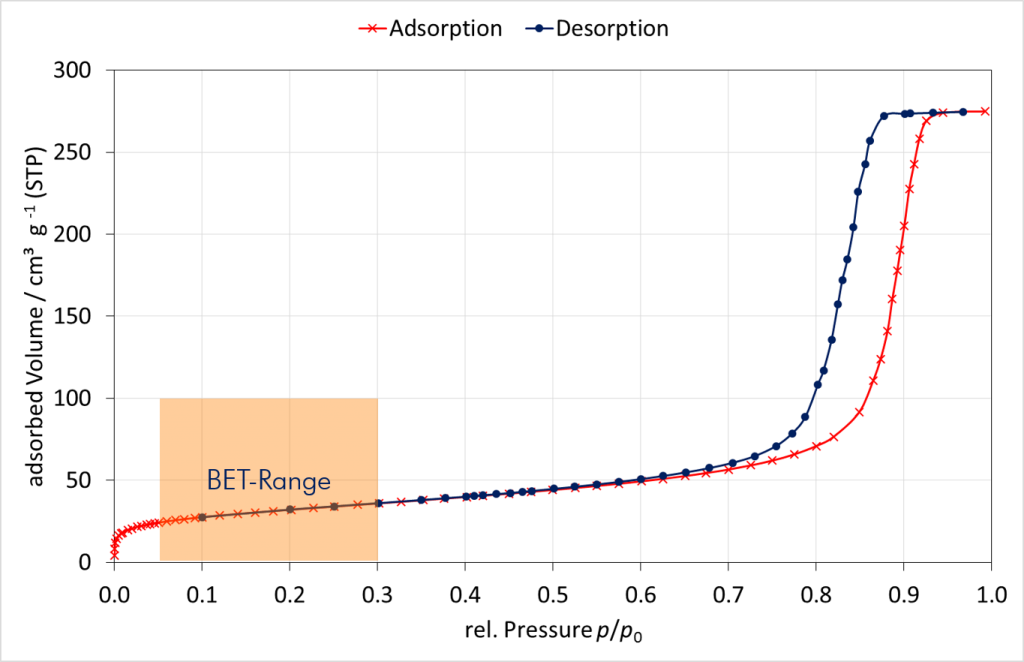
Surfaces are formed by all solids as external interfaces and are present as micropores, mesopores, macropores or as external surfaces on non-porous particle areas. The results of gas adsorption measurements are the sum of particle surfaces including surface roughness and open pores. In principle, a complete isotherm or, for the determination of the BET surface area, only a part of an isotherm is measured. Figure 1 shows such sorption isotherms of nonporous carbon black, mesoporous glass and a microporous metal-organic framework, together with standard range to calculate BET surface areas.

Continue reading

Ultra-micropores Application Note

Industrial
Applications
Ultramicropores

How to characterise smallest
ultramicropores?

Quite often there is a request to decide for a new instrument or a measuring routine to characterize pores larger than 0.35 nm. Independent of the fact that 0.3 nm is the critical and 0.35 nm the so-called kinetic molecule diameter of N2, there is an illusion that micropores in the range of 0.4 nm might be characterized by the use of N2 at 78 K. Over the last few years, we have measured numerous ultramicroporous materials. These materials always showed the same characteristics, namely that N2 is adsorbed at 78 K only by pore sizes larger than 0.5 nm. We employed long-term sorption measurements on a narrow pore Zeolite 4A and explain the effect and possible solutions for the characterisation of ultramicropores.

Continue reading

Surface and Pore Structure Application Note

Industrial
Applications
Surface and Pore Structure

Argon for surface and pore characterisation

The critically reviewed IUPAC report “Physisorption of gases, with special reference to the evaluation of surface area and pore size distribution” was published in 2015 and is an up-to-date compendium for the characterization of porous materials using gas sorption. Besides an extended isotherm classification, this updated release includes numerous recommendations for the measurement and interpretation of isotherm data. “New recommendations” that have been the basis of applying our measurement methods since many years. A fact that becomes obvious in this central topic is that the characterization of micropores using physisorption of should be carried out with argon at a temperature of 87 K (boiling temperature of argon). We have identified this advantage more than 20 years ago and its practical realization to achieve 87 K was by use of liquid argon for a long time.

More recently, we started to equip our instruments with so-called cryoTune modules, an option that was specifically designed for achieving an 82 – 135 K temperature range. In this way, not only the boiling point of the noble gas argon at 87 K, but also the boiling point of the noble gas krypton at 120 K becomes viable for isotherm analysis. This article describes these additional research options with a critical discussion of the nitrogen-based results as traditional basis not only for pore size but also for surface area determination.

Continue reading

Micropore Adsorption Application Note

Industrial
Applications
Micropore Adsorption

IUPAC recommendation consequences for
micropore adsorption studies

The IUPAC-report “Physisorption of gases, with special reference to the evaluation of surface area and pore size distribution” contains essential guidelines for obtaining and interpreting experimental data by means of gas adsorption [1]. This includes an extended classification of physisorption isotherms and hysteresis types. Furthermore, it takes account of scientific and technological progress made in the characterization of porous materials during the last 30 years.
A key topic within that report is the recommendation to employ argon at the boiling point temperature of liquid argon (87 K) for micropore analysis. Argon atoms provide distinct advantages over nitrogen molecules for gas sorption analyses, including the following:

  • Unlike nitrogen, argon has no quadrupole moment. Thus, using argon as adsorbate eliminates specific chemical interactions with polar/ionic surface sites.
  • As a result, argon physisorption isotherms provide much more reliable fingerprints of the interactions modeled by today’s most advanced DFT-techniques for pore size characterization.
  • Argon sorption analyses at its boiling point 87 K can be significantly faster than conventional N2 77 K experiments, because the filling of a pore size can occur much more readily at higher relative pressures.

Continue reading

Porous Materials Application Note

Industrial
Applications
Porous Materials

How exact can we determine the specific
surface area of porous materials?

The specific surface area of powders and porous solids is
usually described with the BET theory, however especially in
the micropore range we should cast a critical spotlight on
the term “surface area” on an atomic scale. On one hand,
this will be in reference to the “real surface”, which
incorporates irregularities and impurities of any given
porous material. On the other hand it is also in relation to
other representations of a surface area determined by a
variety of analytical instruments employing the method of
physisorption such as the 3P meso 400. This will be
especially important during the determination of
micropores. Furthermore the apparent contradiction, that
surface area analysis in microporous materials is
theoretically questionable but a sample characterisation
based on it is very useful from a practical point of view,
needs to be considered.

Continue reading

CO2 Absorption Study

Industrial
Applications
CO2 Absorption Study

Adsorptions studies with CO2 at 195 K –
theory and practice

Sorption studies with CO2 are still in the spot light of current research projects. Not only because of climate relatated investigations but also to characterise nano-sized and porous materials. Close to real-life conditions of CO2 adsorption of gas mixtures are typically gained with dynamic method methods, such as breakthrough curves. However, single component isotherms are mostly collected via static manometric methods. Despite the fact that is common practice, one might varying characteristic data. One reason might be the fat that CO2 does not form a liquid phase under norm conditions.

Within this study we aim to show:

  • an easy way to conduct CO2 measurements
  • the nature of the adsorbed phase using the mesoporous model material MCM-41
  • substance parameters for CO2

Continue reading

Poroliq

Porometer
Poroliq

Liquid-Liquid Porometer

  • Liquid-liquid technology
  • Designed to measure the smallest pores in the most fragile samples
  • For pore sizes down to 2nm
  • Offers Porosity Measurement

Download
brochure
   Request
quote

Beckman Coulter LS 13 320 XR Laser Diffraction Particle Size Analyser 21 CFR Part 11

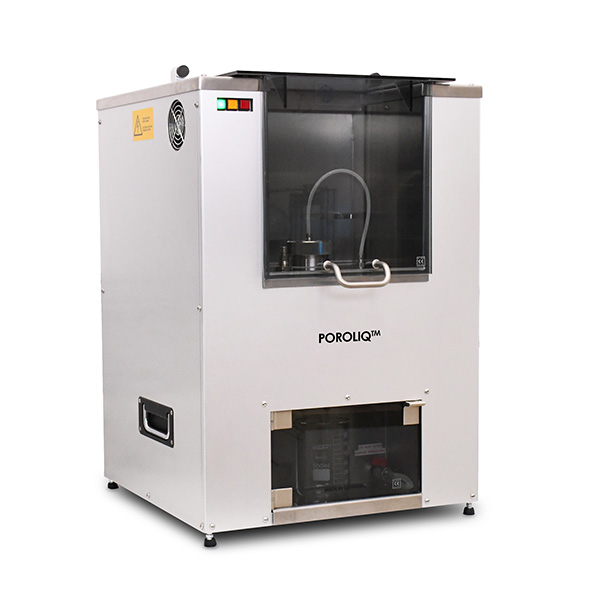
The POROLIQ™ is a liquid-liquid porometer (LLP) that determines pore sizes based on the pressure step stability method. This means that a data point is only accepted on the condition that the user-defined stability algorithms for pressure and flow are met.

The Poroliq provides precise porosity measurement for a wide range of materials, ensuring accurate characterisation of porous structures. This advanced instrument is designed for detailed porosity measurement, including pore size distribution, pore volume, and surface area analysis. Ideal for industries such as pharmaceuticals, materials science, and manufacturing, the Poroliq enhances the understanding of material properties and performance. Its high sensitivity and user-friendly interface make it suitable for both laboratory and industrial applications, ensuring reliable and comprehensive data for quality control, research, and development.

  • Key Features

    Complete and accurate measurements

    The POROLIQ™ – widely regarded as the most accurate liquid-liquid porometer on the market – is very well suited to detect very small pores, as well as to characterize pressure sensitive membranes such as hollow fibers.

    The instrument will first detect the opening of a pore at a certain pressure but will wait until all pores of the same diameter are completely opened before accepting the data point. This method results in a very accurate pore size measurement, down to 2 nm, and allows to calculate the true pore size distribution.

    Technology and quality combined

    All our porometers are designed and manufactured in-house, enabling us to equip our instruments with the best and latest technology.

    The POROLIQ™ stands out of the crowd with its intelligent sensor switching, making sure that throughout the entire measurement the most suitable sensor is always engaged, resulting in very accurate measurements. Additionally, the Porometer is equipped with a highly advanced, multilevel stability algorithm for characterisation of complex pore structures. A more advanced and representative characterisation of your through pores is not possible!

    Very intuitive and easy to use software

    Even though our software is powerful and comprehensive, it’s also very intuitive and easy to use.

    By allowing to change many parameters with a click of the mouse, the software enables its many users to tune the measurement to their exact needs. Additionally, the software, with built-in intelligence, gives the user access to many advanced functions, such as the re-evaluation function and the observation window.

    Furthermore, our porometers are equipped with an onboard ethernet port allowing remote access via the internet for installation, support, and diagnosis.

    Easily to understand and presentable output

    With one click of the button, results are exported in word, excel or pdf. The Porometer software makes it very easy to present multiple measurements next to each other, allowing for a straightforward comparison between different filter media. Thanks to the adjustable scales, graphs such as wet and dry curve and pore size distribution are presented in a very clear and sophisticated manner.

  • Technical Specs

    POROLIQ™
    AQ ML
    Measurement mode Full porometry Full porometry
    Method Pressure step/stability Pressure step/stability
    Max pressure 40 bar/580 psi 40 bar/580 psi
    Min pore (1) 2 nm 2 nm
    Max pore (1) 0,3 µm 1 µm
    Flow range <1 μl/min – 10 ml/min 1 μl/min – 10 ml/min
    Dimensions (DxWxH) 510x510x760 mm 510x510x760 mm
    Weight 80 kg 80 kg
    Displacement liquid water-based multiple liquids

    (1) depending on the wetting liquid

  • Accessories

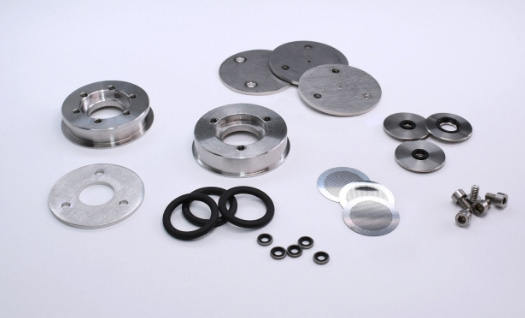
    Horizontal hollow fiber sample holder

    Specially designed inlay for 25 mm sample holder for horizontal measurements of hollow fibers.

    Vertical hollow fiber sample holder (picture)

    Specially designed inlay for 25 mm sample holder for vertical measurements of hollow fibers (pack of 5 pcs).

    Deep sample tablet

    Special sample tablet designed to host an inlay and a sample.

    Metal inlay

    For the sample holder for flat sheet sample (inner diameter 4 or 8.8).

  • Applications

    Membranes

    Hollow Fibres

Not sure if it’s the right instrument?

No worries, send us a sample and we will test it for you


Send a sample

Continue reading

Porolux BP

Porometer
Porolux BP

Bubble Point Tester

  • Bubble point measurement only
  • Quick and easy determination of the bubble point
  • For pore size analysis down to 0.1 µm

Download
brochure
   Request
quote

Beckman Coulter LS 13 320 XR Laser Diffraction Particle Size Analyser 21 CFR Part 11

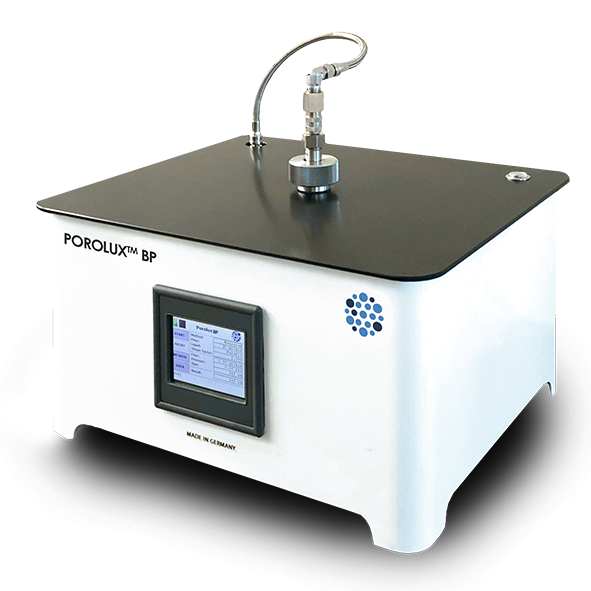
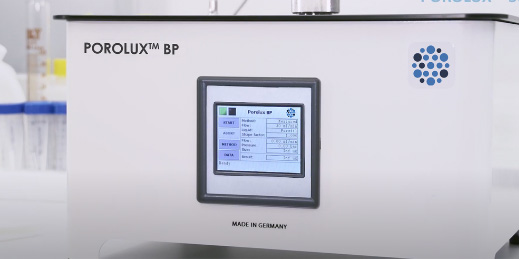
The POROLUX™ BP is a bubble point tester, used to measure the largest pore size – often referred to as ‘bubble point (BP)’ – in media that are used for filtration and separation applications.

The Porolux BP excels in pore size analysis by precisely determining the largest pore size through bubble point measurement. This pore size analysis technique involves assessing the pressure at which gas displaces liquid from the largest pores, providing accurate data on pore structure. Ideal for characterising materials like membranes, filters, and powders, the Porolux BP ensures reliable results for both research and industrial applications. With its advanced technology, the Porolux BP delivers detailed pore size analysis, enhancing material performance evaluation and quality control processes. This makes it an essential tool for accurate and comprehensive pore size analysis.

  • Key Features

    Quick, accurate and reproducible results

    POROLUX™ BP delivers quick and accurate results of the first bubble point in the pressure range from 0 bar (0 psi) up to 5 bar (75 psi) and detects pores from ca. 300 μm down to 0.13 μm.

    Thanks to its simplified operation, the POROLUX™ BP provides highly reproducible results for both the BP x-ml and BP dPL bubble point. This makes the POROLUX™ BP a clear choice for quality control and/or R&D in many companies producing filtration and separation media.

    Full automatic detection of Bubble point

    The ASTM F-316-03 standard defines the BP as ‘the pressure at which the first continuous stream of gas bubbles is detected’.

    While this is based on visual detection, the POROLUX™ BP now offers a fully automated way to determine the bubble point.

    Detection of both BP x-ml and BP dPL

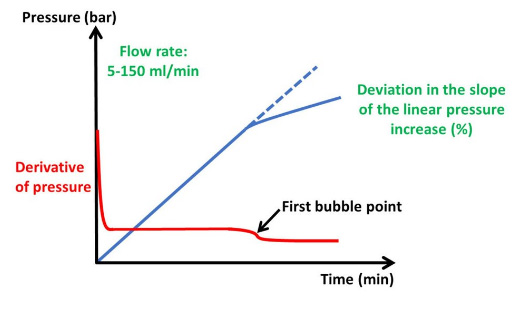
    The POROLUX™ BP can detect both the BP x-ml and BP dPL bubble point. The BP dPL is the bubble point measured as a deviation from the linearity of a user-defined pressure increase, while BP x-ml is the bubble point measured at a user-defined flow rate.

    It is evident that the dPL bubble point generates highly reproducible measurements with correspondingly low scatter. The dPL bubble point is typically very accurate. However, at high pressures, the dPL bubble point can be falsely created by turbulence. In this case, we advise using the BP x-ml.

    The instrument determines the bubble point by using digital pressure and flow sensors. In this way, the chance of a human error or the subjective operator’s opinion is eliminated. This helps to standardize the filter media testing in terms of consistency and reliability.

  • Technical Specs

    Max pressure

    5 bar/75 psi

    Min pore (1)

    0,13 µm

    Max pore (1)

    300 µm

    Max flow

    150ml/min

    Bubble point

    BP x-ml and BP dPL (*)

    Dimensions

    350x400x350 mm

    Weight

    10 kg

    (1) Depending on the wetting liquid.

    (*) BP x-ml is the bubble point measured at a user-defined flow rate. BP dPL is the bubble point measured as a deviation from the linearity of a user-defined pressure increase.

  • Applications

    Membranes

    Nonwovens

Not sure if it’s the right instrument?

No worries, send us a sample and we will test it for you


Send a sample

Continue reading

Porolux Revo

Porometer
Porolux Revo

Porous Materials Analyser

  • Gas-liquid technology with patent pending MP2 technology
  • The most accurate pore size results combined with high resolution
  • For pore sizes down to 13nm

Download
brochure
   Request
quote

Beckman Coulter LS 13 320 XR Laser Diffraction Particle Size Analyser 21 CFR Part 11

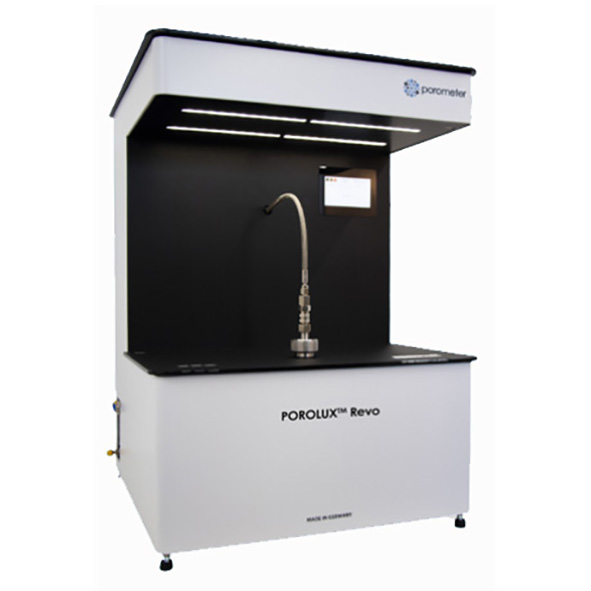
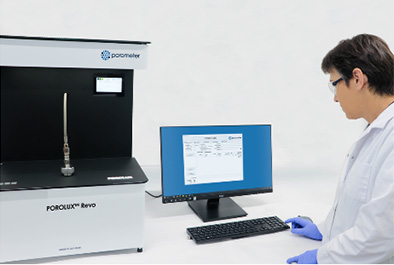
The POROLUX™ Revo, the successor of the POROLUX™ 1000, is the revolution in porometry for porous materials. Setting the bar in step stability method with our patent pending MP² (Multistage Pressure Process) technology, the POROLUX™ Revo delivers the most accurate and reproducible pore size measurements, in the highest resolution.

Measuring porous materials with the Porolux Revo provides accurate and detailed insights into pore size and distribution. This advanced analyser utilises cutting-edge technology to assess porosity, including pore volume and surface area. Ideal for materials such as membranes, filters, and powders, the Porolux Revo enhances quality control and research by delivering reliable, high-resolution data. Its user-friendly interface and precise measurements make it an essential tool for thorough porous materials analysis.

  • Key Features

    Patent pending MP² technology

    MP² stands for Multistage Pressure Process. This innovative technology ensures a smooth pressure increase during the measurement and speeds up the process of reaching flow and pressure stability.

    This advanced pressure built-up process makes it possible to do the measurements with smaller, and perfectly uniform pressure steps, leading to the most accurate and reproducible pore size results. Additionally, the technology makes it possible to record more data points in the pore opening region, resulting in more detailed pore size distribution curves.

    Step stability method

    The POROLUX™ Revo detects the opening of a pore at a certain pressure and waits until all pores of the same diameter are completely opened before accepting the data point. This method results in a very accurate pore size measurement and allows to calculate the true pore size distribution.

    Additionally, the instrument can determine the bubble point in three different ways (largest pore according to ASTM F-316-03), a very unique feature in the market of porometry.

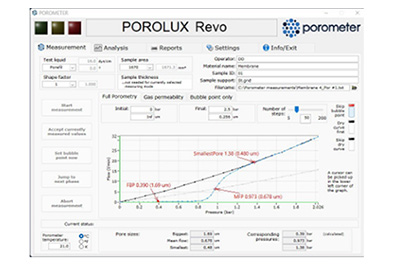
    Next to that, results on mean flow pore size, smallest pore, pore size distribution, cumulative flow distribution & gas permeability are reported. With our enhanced mathematical model, we can also obtain additional results such as total pore number and total pore area.

    Very intuitive and easy to use software

    Not only is the fully integrated software powerful and comprehensive, it is also very intuitive and easy to use.

    By allowing to change many parameters with a click of the mouse, the software enables its many users to tune the measurement to their exact needs. Additionally, the software, with built-in intelligence, gives the user access to many advanced functions, such as the re-evaluation function and the observation window.

    Last but not least, the POROLUX™ Revo software comes with a very advanced curve smoothing and fitting function.

    Straightforward and presentable output

    With one click of the button, results are exported in word, excel or pdf. The Porometer software makes it very easy to present multiple measurements next to each other, allowing for a straightforward comparison between different filter media.

    Thanks to the adjustable scales, graphs such as wet and dry curve and pore size distribution are presented in a very clear and sophisticated manner.

  • Technical Specs

    POROLUX™ Revo
    Technique Gas-liquid porometry
    Measurement method Pressure step/stability with patent pending MP² technology
    Max pressure 35 bar/500 psi
    Min pore (1) 13 nm
    Max pore (1) 500 µm
    Max flow 200 l/min
    Bubble point BP dPL, BP x-ml, BP pCF (*)
    Dimensions (DxWxH) 530x530x755 mm
    Weight 70 kg

    (1) Depending on the wetting liquid.

    (*) BP dPL is the bubble point measured as a deviation from the linearity of a user-defined pressure increase. BP x-ml is the bubble point measured at a user-defined flow rate. BP pCF is the bubble point measured as a user-defined percentage of the cumulative flow.

  • Accessories

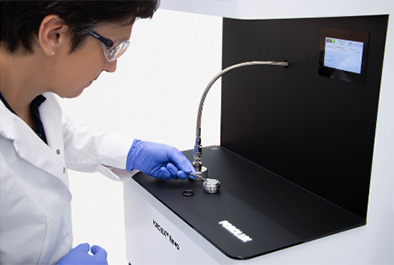
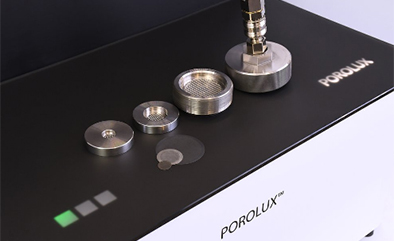
    Universal sample holder 3 in 1

    Sample holder 3 diameters in 1 (13, 25 and 47 mm).

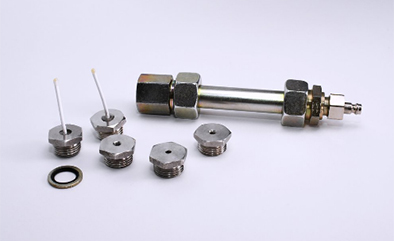
    Hollow fibre sample holder

    Specially designed sample holder for hollow fibres, including 5 sealant rings.

    Sample holder of 25 mm diameter for thicker samples

    External sample holder for samples of thickness up to 10 mm.

    Customer specific solutions

    Porometer can also create customer specific sample holders to meet special requirements, such as measuring thick samples, samples with larger diameters, working with assembled filter setups, etc.

    Advanced liquid permeability

    The liquid permeability extension performs a fully automatic measurement of the flow of liquid through a membrane or filter at a predefined pressure. The liquid is then collected in a receptacle and the weight data – which is recorded by the balance – is automatically transferred to the operating software, which calculates the liquid permeability.

    This method is user friendly, very accurate and is strongly recommended when a lot of liquid permeability measurements are envisaged. The advanced liquid permeability extension consists of a hardware extension – including the liquid tank, an external sample holder, a balance and all tubing and connections, as well as a software extension.

  • Applications

    Membranes

    Ceramics

    Metals

    Hollow Fibres

Not sure if it’s the right instrument?

No worries, send us a sample and we will test it for you


Send a sample

Continue reading

Paper Application Note

Industrial
Applications
Paper Porolux

Paper

Filter paper is a semi-permeable paper barrier permeable to one or more components of a suspension and impermeable to others. The raw materials for filter paper production are different paper pulps, which can be made of softwood, hardwood, fibre crops and mineral fibres. Paper or wet-laid fibrous media is used for different filtration applications, mainly in laboratories or industrial applications.

The POROLUX™ Cito series is the ideal porometer to measure your paper filters. It guarantees not only fast & reproducible results, but also an easy software interface and a straightforward way of presenting the results.

  • Product

  • Industry

Continue reading

Hollow Fibres Application Note

Industrial
Applications
Follow Fibres Porolux

Hollow Fibre Membranes

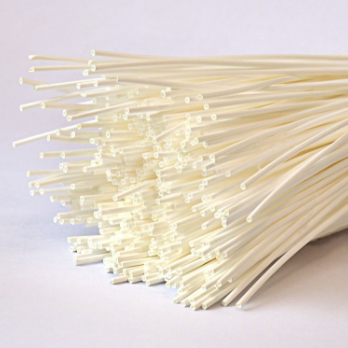
Hollow fiber filters are used in many different filtration applications, and determining the pore sizes is of crucial importance. An extra challenge is that hollow fiber membranes are often delicate and subject to stretching, deformation, and even rupture. Therefore, selecting the proper instrument to properly measure your hollow fiber membrane is key.

The POROLUX™ and POROLIQ™ series are the reference for hollow fiber measurements. Our customers appreciate the technology and ease of use of the instruments, but above all that we can recommend the best technique to measure their hollow fibers.

Additionally, our specially designed sample holder allows for easy adaptation and testing of fibers of various internal and external diameters.

  • Product

  • Industry

Continue reading

Metals Application Note

Industrial
Applications
Metals Porolux

Metals

Metal-based filter media are available in many different shapes and structures. They are very often used in filtration and separation applications because of their high temperature and corrosion resistance, high porosity and permeability, as well as their high mechanical strength and durability. The characteristics of the pore structure, such as pore sizes and pore size distribution, govern the filtration properties of all filter media.

The pore sizes and pore size distribution of metal-based filter media are easily measured with our gas-liquid POROLUX™ porometers.

  • Product

  • Industry

Continue reading

Ceramics Application Note

Industrial
Applications
Ceramics Porolux

Ceramics

Ceramic filters are usually hard and rough in surface but porous inside the structure. Porous ceramic tubes, sheets, membranes, etc., have long been used for various industrial applications. Such materials have great resistance to thermal and physical shock, low-pressure drop, and weight. Therefore, they are indispensable in many filtration applications.

Our porometers can determine the pore sizes in porous ceramic media made in any form. If the POROLUX™ cannot measure it, no instrument can.

  • Products

  • Industry

Continue reading

Nonwovens Application Note

Industrial
Applications
Nonwovens Porolux

Nonwovens

Nonwovens are very commonly used as filtration media. Typical examples are air-conditioning, masks, water purification, blood filtration, pharmaceutical filtrations, and many others.

Nonwovens are often characterized by how they are produced (spunbond, meltblown, etc) and their weight, leading to differences in strength and durability. But also the pore sizes are an influential factor in selecting the most suitable nonwoven for the different filtration requirements.

Capillary flow porometry is an easy and straightforward way to characterize the pores in nonwoven filter media. On top of that, our porometers generate fast & reproducible results. Especially our POROLUX™ Cito L is a well established instrument within the nonwoven media industry.

  • Product

  • Industry

Continue reading

Membranes Application Note

Industrial
Applications
Membranes Porolux

Polymeric membranes

Polymeric membranes are widely used in many filtration processes. The degree of selectivity of a membrane depends, amongst others, on the membrane pore size and pore size distribution. Therefore, the correct determination of pore sizes and pore size distribution is vital.

Gas-liquid and liquid-liquid porometry are exceptionally well suited for measuring polymeric membranes. Both flat sheets and hollow fibres membranes can easily be analysed with these techniques. Given its accurate determination and correct representation of pore sizes, it’s no wonder that our POROLUX™ and POROLIQ™ porometers are the most wanted brand in membrane labs worldwide.

  • Products

  • Industry

Continue reading

Porolux Cito

Porometer
Porolux Cito

Pore Size Analyser 

  • Gas-liquid technology
  • Designed to deliver fast and reproducible results
  • For pore sizes down to 13 nm

Download
brochure
   Request
quote

Beckman Coulter LS 13 320 XR Laser Diffraction Particle Size Analyser 21 CFR Part 11

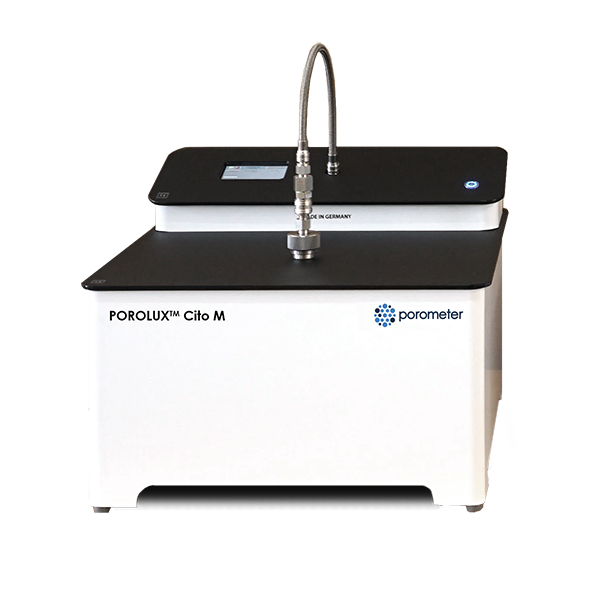
The POROLUX™ Cito series are gas-liquid porometers (GLP) that determine pore sizes based on the pressure scan method. This is a fast, yet reproducible method whereby air pressure is continually increased while the resulting flow rates are recorded simultaneously.

The Porolux Cito Pore Size Analyser offers precise pore size analysis, delivering accurate measurements of pore volume and distribution. As a leading pore size analyser, it is designed for rapid and reliable characterisation of various materials. This pore size analyser ensures detailed insights into material properties, making it essential for applications in research and quality control. Its advanced technology and user-friendly interface make the Porolux Cito an indispensable tool for comprehensive pore size analysis.

  • Key Features

    Fast, reliable and reproducible measurements

    Our POROLUX™ Cito technology stands for fast and reproducible measurements of through pores in filtration and separation media.

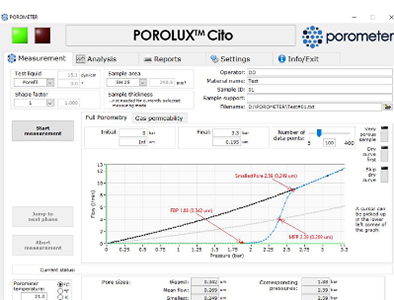
    The instruments determine the first bubble point (largest pore-ASTM F-316), mean flow pore size, smallest pore, pore size distribution,cumulative flow distribution & gas permeability with the highest accuracy in the whole pressure range.

    Measurement after measurement, our porometers get you the most accurate and reliable results on the pore sizes of your materials.

    Technology and quality combined

    The POROLUX™ Cito series stands out of the crowd with its intelligent sensor switching. This ensures that the most suitable sensor is always engaged throughout the entire measurement.

    As a result, very accurate measurements are obtained. Additionally, the porometers allow taking up to 400 real (measured) data points, resulting in the best possible resolution.

    Very intuitive and easy to use software

    Even though our software is powerful and comprehensive, it’s also very intuitive and easy to use.

    By allowing to change many parameters with a click of the mouse, the software enables its many users to tune the measurement to their exact needs. Additionally, the software, with built-in intelligence, gives the user access to many advanced functions, such as the re-evaluation function and the observation window.

    Furthermore, our porometers are equipped with an onboard ethernet port allowing remote access via the internet for installation, support, and diagnosis.

    Easily to understand and presentable output

    With one click of the button, results are exported in word, excel or pdf. The Porometer software makes it very easy to present multiple measurements next to each other, allowing for a straightforward comparison between different filter media.

    Thanks to the adjustable scales, graphs such as wet and dry curve and pore size distribution are presented in a very clear and sophisticated manner.

  • Technical Specs

    POROLUX™ Cito
    Cito L Cito M Cito
    Technique Gas-liquid porometry Gas-liquid porometry Gas-liquid porometry
    Measurement method Pressure Scan Pressure Scan Pressure Scan
    Max pressure 1.5 bar/22 psi 7 bar/100 psi 35 bar/500 psi
    Min pore (1) 0.427 µm 0.091 µm 13 nm
    Max pore (1) 500 µm 500 µm 500 µm
    Max flow 200 l/min 200 l/min 200 l/min
    Bubble point BP x-ml and BP pCF (*) BP x-ml and BP pCF (*) BP x-ml and BP pCF (*)
    Dimensions (DxWxH) 530x530x560 mm 530x530x560 mm 530x530x560 mm
    Weight 30 kg 30 kg 35 kg

    (1) Depending on the wetting liquid.

    (*) BP x-ml is the bubble point measured at a user-defined flow rate. BP pCF is the bubble point measured as a user-defined percentage of the cumulative flow.

  • Accessories

    Universal sample holder 3 in 1

    Sample holder 3 diameters in 1 (13, 25 and 47 mm).

    Hollow fibre sample holder

    Specially designed sample holder for hollow fibres, including 5 sealant rings.

    Sample holder of 25 mm diameter for thicker samples

    External sample holder for samples of thickness up to 10 mm.

    Customer specific solutions

    Porometer can also create customer specific sample holders to meet special requirements, such as measuring thick samples, samples with larger diameters, working with assembled filter setups, etc.

  • Applications

    Membranes

    Nonwovens

    Ceramics

    Metals

    Paper

Not sure if it’s the right instrument?

No worries, send us a sample and we will test it for you


Send a sample

Continue reading

Extracellular Vesicles Application Note

Biological
Applications
Extracellular Vesicles ViewSizer 3000

Enhanced Characterisation of Fluorescently Labelled Extracellular Vesicles using ViewSizer 3000

Exosomes are small extracellular vesicles (EVs), 30-150 nm in diameter, which have been determined to play a crucial role in extracellular signaling. They have been observed in both prokaryotic and eukaryotic organisms, meaning they are incredibly widely spread in nature. Exosomes bud off from their parent cells in a sealed package, taking the properties of their parent cell walls with them and encasing many intracellular components. A wide variety of bioactive markers have been found encased in exosomes including but not limited to proteins, lipids, DNA, and RNA. Upon formation, exosomes are released into the extracellular space and have been found in many body fluids including: blood, urine, saliva, and breast milk.

The diversity of this cargo has led to exosomes having a litany of roles within the body including but not limited to: immune regulation, tissue regeneration, cancer progression, and neurodegenerative diseases. This application note examines how the ViewSizer is an excellent tool for characterizing the size and concentration of EVs and that it can detect labeled populations of fluorescently tagged exosomes with high repeatability and accuracy.

Continue reading

Drinking Water Application Note

Industrial
Applications
Drinking Water

Quantifying Trace Amount of Nanoparticles in Drinking Water

Plastic is a type of material that is resistant to degradation and is practically indestructible. While plastic will break down into fragments and fragments will become microplastics (1 µm to 5 mm*) and become nanoplastics via photo-oxidative mechanisms, plastic fundamentally remains the same throughout the process. Nanoparticles can gain access through inhalation, ingestion, or dermal exposure and have greater cellular uptake than those bigger in size. Nanoparticles subsequently pose a greater impact on health. The concern of water contamination from nanoplastics (≤ 1 µm) is, therefore, a study receiving close scrutiny from FDA and EPA alike.

* Size-based nomenclature per Section 116376 of the State of California Health and Safety Code

One of the proven methods of tackling microplastics applications is the use of Raman spectroscopy. Raman spectroscopy allows chemical identification of organic and inorganic particles, giving clues to the origins of the plastic. When Raman is coupled with ParticleFinder, the subsampling of microplastics by particle size and shape can be automated well within the software. HORIBA Scientific offers a microplastics solution; click to read the latest development and academic collaboration on Microplastics Analysis.

Particles smaller than 1 µm, however, are tedious and difficult to quantify using spectroscopy or other traditional techniques. In a recent publication, Yang et al used the ViewSizer 3000 multispectral Nanoparticle Tracking Analysis (m NTA) technique to study transport of microplastics from ocean to atmosphere via sea spray aerosolization. The experiment utilized m NTA’s ability to accurately count particles in a complex environmental matrix, and in so doing, refuted the popular belief that ocean contributes to the majority of plastic in air.

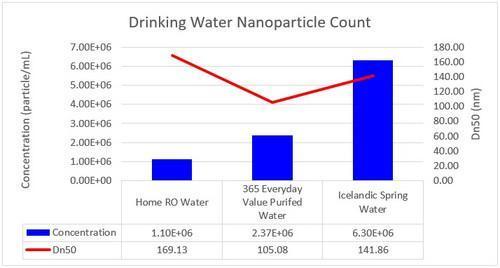
While counting only plastic nanoparticles among all other materials in water is still an application in progress involving proper particle staining procedure, here we offer examples of nanoparticle counts in three drinking water sources:

  • Home reverse osmosis filtered water (where water is forced through membranes to remove impurities) collected in a glass vial
  • 365 Everyday Value purified water (plastic bottle)
  • Icelandic Glacial spring water (plastic bottle)

The analysis workflow is straightforward. 500 µL of water was transferred directly from the source to the measurement cell. Three simultaneous operating lasers (635 nm, 520 nm, 445 nm) were then used to collect and track particles until a statistically significant number of particles were collected over 50 videos or approximately 30 minutes. The analyses below are average results of triplicates. It demonstrated that although bottled water is marketed as cleaner and superior, the data beg to differ. Home RO water shows the lowest nanoparticle count overall compared to its similarly filtered water from 365 Everyday Value. Icelandic Spring Water contains the highest number of particles per mL.

  • Product

  • Industry

Continue reading

Protein Therapeutics Application Note

Biological
Applications
Protien Therapeutics
ViewSizer 3000

Characterisation of Sub-Visible Particles in Protein Therapeutic Formulations

The ViewSizer™ 3000 enables scientists to visualize and quantify the kinetics of protein aggregation in real-time for biologic therapeutics under a variety of stress conditions including agitation, temperature and the addition of contaminants. The case study featured here validates these capabilities for agitation and temperature stress conditions with the 100 mg/mL mAb A. These insights support the development of stable, effective and safe biologic products.

Continue reading

Exosomes Application Note

Biological
Applications
Exosomes ViewSizer 3000

Size Distribution and Concentration of Exosomes

In this study, we demonstrate the ViewSizer 3000’s capabilities as a next generation NTA based analysis instrument in order to accurately and efficiently measure and characterize exosomes via particle size and concentration.

It tracks particle Brownian motion. Distinct from the conventional NTA systems that uses one laser (one wavelength) to illuminate particles in the colloid, the ViewSizer 3000 instrument includes a patented system of three solid-state lasers with wavelengths of 445 nm, 520 nm, and 635 nm. Due to the range of laser powers used, varying the power a wider range of particle sizes in the same sample can be analyzed. The combination of the 3 lasers overcomes the common drawback of conventional NTA which is the failure to size particles accurately in a polydisperse sample.

Continue reading

Protein Aggregation Application Note

Biological
Applications
Protein Aggregation

Accurate Protein Aggregation Analysis

Protein aggregation is an important concern when developing and manufacturing biotherapeutics since these subvisible aggregate particles have been associated with the adverse drug reactions. Protein aggregates may provoke adverse events through an unwanted immune response. And, regardless of mechanism of reaction, subvisible particle contamination has been a concern for manufacturers and regulators.

Therefore, it is important to quantify protein aggregation and particle formulation due to various stresses such as temperature, shear, high concentration and time. Values for particle concentration and size distribution allow direct comparison of samples and treatments. Such data is needed to guide formulation development, evaluate handling requirements, and monitor product quality.

Continue reading

Powder Metallurgy Application Note

Industrial
Applications
Metal Powders ViewSizer 3000

Optimization of High-Performance Nanostructured Powder Metallurgy Materials

In this note, we will briefly explore the history of powder metallurgy and then examine the importance of powder quality to the production of nanomaterials. Using a case study from the Vecchio lab at the University of California, San Diego, we will highlight the necessity of accurate particle sizing in the production of nanoparticles by spark erosion. Data from the ViewSizer 3000 indicates that particle quality and process control can be heavily reliant on capacitance charge, and that the choice of liquid dielectric has a significant impact on the resulting size distribution.

Continue reading

Whiskey Shelf Stability Application Note

Industrial
Applications
Whiskey ViewSizer 3000

Predicting Whiskey Shelf Stability with Particle Size Distribution

Careful control of the particulates in whiskey is an important step to quality flavor and color. Inadequate monitoring of particle size impedes the final product stability, consistency, quality, and price. In this note, the particle science behind these determining factors will be thoroughly examined and explained.

Continue reading

Emulsion Polymerisation Application Note

Industrial
Applications
Emusion ViewSizer 3000

Optimization of an Emulsion Polymerization Process and Product Through Nanoparticle Concentration Analysis

This note covers the history, theory and processes used for emulsion polymerization. It also examines the importance of measuring the concentration of latex nanoparticles produced by emulsion polymerization for a biotech application developed by the Gianneschi lab at UCSD. The Gianneschi case study includes data from HORIBA’s ViewSizer 3000.

Continue reading

Infections Titer Application Note

Biological
Applications
Infectious Titer ViewSizer 3000

Achieving Infectious Titer with Multi-laser Nanoparticle Tracking Analysis (NTA)

The viral vector market became highly active after the launch of a number of Advanced Therapy Medicinal Products (ATMPs). Based on the number of cases in clinical trials and its success rate to date of this writing, we can likely anticipate a cascade of FDA-approved products within years.

The complexity of viral particles remains one of the biggest hurdles in the development process. In this note, the upstream process of analyzing viral preparations is addressed, as well as the use of multi-laser nanoparticle tracking analysis (NTA) as a cost and time efficient method to measure size, count virus particles, and correlate to infectious titer.

Continue reading

Vaccine Manufacturing Application Note

Industrial
Applications
Vaccine Manufacuring
ViewSizer 3000

Particle Analysis in Vaccine Manufacturing and Development

One Size Doesn’t Fit All

Size matters in vaccine delivery systems. Nanoparticles smaller than 200 nm generally present a greater immunogenic response than micro-particles larger than 1 micron. This rather simple statement is based on the common understanding that particles with sizes resembling the dimensions of viruses are treated like viruses by the body. In the case of manufacturing for novel COVID-19 vaccine, adenovirus around the same size as SARS-Cov-2 (median of roughly 90-100 nanometers) are manipulated as carriers (or viral vectors) to trigger spike proteins production. In contrast, published literature showed that the effect of vaccines given orally, intranasally, or via other mucosal surfaces favor micro- over nanoparticulate formulations due to higher antigen load. The size of the impurities also significantly affects vaccine efficacy. In sum, many vaccine formulation ingredients should have controlled particulate size, size distribution, and count throughout the process of development, manufacturing, storage, and administration.

Vaccine Commercial Production

The upstream process of vaccine preparations requires careful virus characterization to achieve optimized infectivity and stability. Infectious titers are used to determine the concentration of viral particles that can transduce cells and its virus load in a sample. Two established analytical techniques to measure infectious titers are:

  • Viral Plaque Assay (VPA)
  • Quantitative Polymerase Chain Reaction (qPCR)

Both approaches quantify the amount of virus present in a solution. Viral Plaque Assay for lentivirus, for example, takes up to two weeks of incubation time to determine its result in a form of Plaque Forming Units (PFU) per mL. The counting of PFU is also subjective, resulting in low reproducibility from one analyst to another. qPCR, on the other hand, does not discriminate between whole, broken, empty, aggregates, infectious or non-infectious viruses; it merely determines relative viral gene expression and correlates the value back to PFU. The drawback is that the qPCR requires prior knowledge of the viral genome sequence, can be costly, and analyzes concentration of genomic material, not infectious virus since uncoated RNA or DNA may exist in a sample, but, without a coat, be unable to enter a cell.
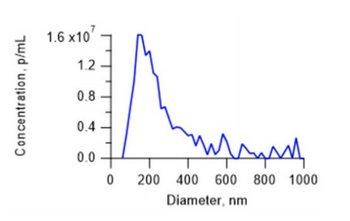
Figure 1: Measurement result of a human viral vector sample. Note the distribution displayed presence of both host cell debris and aggregates.

Particle concentration analysis results from ViewSizer 3000™ multi-laser Nanoparticle Tracking Analysis (NTA) correlate with PFU, similar to qPCR. Due to three simultaneous operating lasers, it quantifies not only the intact viral particles but also infectious aggregates. Figure 1 demonstrates the measured size distribution of a sample of human viral vector, a virus candidate used in vaccine manufacturing. Note the significant population of larger particles.

Download Application Note 1: Achieving Infectious Titer with multi-laser Nanoparticle Tracking Analysis (NTA) on the right hand side

The ability to effectively analyze the entire size range allows the ViewSizer 3000 to successfully correlate known infectious titer to the total particle concentration with a R2 value of greater than 0.9, proving the multi-laser NTA technique a new, cost-effective and time-efficient alternative to VPA and qPCR.

Figure 2: Infectious titer correlation.

Viruses and Virus-Like-Particles (VLP)

Virus-like particles (VLP) are meant to mimic the virus of interest to provoke a therapeutic effect (such as immunity) without the expense of virus or risk of infection. They have been the focus of countless investigations on innovative vaccines. The size of VLPs is similar to that of viruses, which typically ranges from a few tens to a few hundred nanometers. Laser diffraction is an ensemble technique that allows quick, routine analysis. The technique is also fundamentally more sensitive to larger particles such as contaminants. Depending on how the VLP is manufactured, fragments of starting material will likely be present in the sample at larger sizes than the VLP itself. This arises when materials (such as emulsions) are prepared with a large or broad size distribution and then the size reduced to produce a final product. Remaining large particles can lead or unwanted immune response or issues with filtration in subsequent processing (such as filtration sterilization). To analyze viruses and VLP alike, it is essential a technique covers a wide dynamic particle range.

An example size result (below Figure 3) shows three separate populations. The finest (smallest particle size) population is the VLP itself. The remaining populations (with diameters over about 1 micron) are starting material that has not yet been sheared or otherwise milled to finer sizes. The LA-960 can report size metrics for the entire population as well as metrics for each individual population using the Multimodal Report.
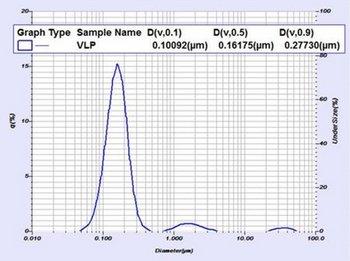
Figure 3: Particle size distribution and results for a VLP material as measured by the LA-960. This sample shows three separate populations. The finest (smallest particle size) population is the VLP itself. The remaining populations (with diameters over about 1 micron) are starting material that has not yet been sheared or otherwise milled to finer sizes.

Exosomes for a New Generation Vaccine

A subgroup of extracellular vesicles (EV) known as exosomes play an increasingly important and intricate role in diagnosis and treatments of various diseases. They are responsible for transferring genetic material and cell-to-cell communication by carrying various nucleic acids, including RNA, lipids and proteins. Its immunogenic properties reportedly correlate with the amount of associated antigens, according to many published reports, thus, creating an opportunity for potential vaccine development.

Exosome particle size and concentration are especially scrutinized as they present important clinical information. To date, however, EV research still lacks standardization for its purification process. It also have been limited by the analytical technologies used to measure them. It is well understood, however, that EVs are a heterogeneous group of particles with a range of sizes and biogenesis; the size distribution are expected to be wide, even after processing.

The ViewSizer 3000 features three simultaneous operating lasers at 635 nm (red), 520 nm (green), 445 (blue) and a color camera to accurately visualize particles of large dynamic range. It overcomes the common drawback of conventional NTA, which is the failure to size particles accurately in a polydisperse sample. Human Preadipocyte (Mesenchymal Stem Cell) Exosomes (100 ug) samples acquired from ZenBio was measured using the ViewSizer 3000. The result was validated by a tunable resistive plug sensing technique and showed a profile with D50 particle diameter of 148 nm and total particle concentration of 5.7 x 10⁷ particles/mL.
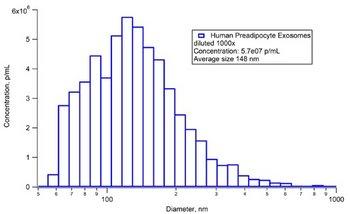
Figure 4: Particle size and concentration distribution of exosome.

Download Application Note 2: Particle Size Distribution and Concentration of Exosomes

Conclusions

Viruses, VLP’s (such as adjuvants) and exosomes can be analyzed for size and concentration using a multi-laser nanoparticle tracking analysis (NTA) instrument, the ViewSizer 3000. Most samples show a wide size distribution that frustrates single laser NTA. If only size distribution is needed, such as in a size reduction process, laser diffraction has also proven useful.

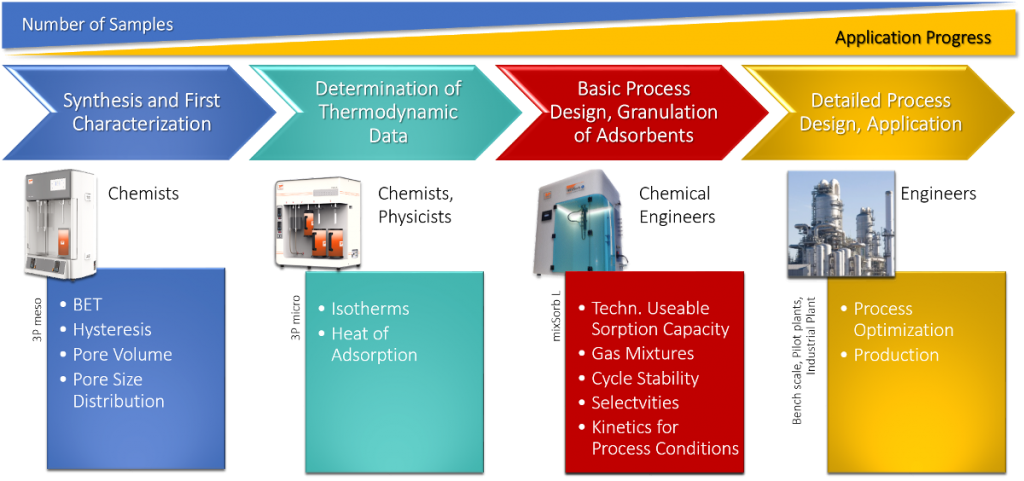
Continue reading

Single and Multi-point comparison Application Note

Industrial
Applications
Single- and multi-point comparison

Comparison of Single-Point and Multi-Point Surface Area Measurements

The Flowing Gas Technique for determining BET Surface Area has been in use for over 70 years. Many facets of the technology make it a very attractive alternative to the Static-Volumetric approach.

First and foremost is the fact that the detection is done by measuring a gas concentration difference instead of an absolute pressure. Difference measurements are typically more accurate than many absolute measurements.

The speed of analysis and the resulting high sample throughput is also quite attractive. As a result, for routine QA/QC analysis, there has been a renewal of interest in this technique.

Continue reading

Surface Area Standards

Industrial
Applications
Low Specific Surface Area Standards
Horiba SA-9600

Measuring Low Specific Surface Area Standards with the SA-9600

A feasibility study to measure low specific surface areas with the SA-9600 Series was performed using Certified Reference Materials BCR 169, 170 and 172 from the European Commission Joint Research Centre. The reference materials consist of two alpha-alumina powders and one quartz powder, with certified values 0.1, 1.05, 2.56 m2/gram, respectively. The results show the SA-9600 can measure low specific surface area, with great agreement with certified values.

Continue reading

Metal Powder Application Note

Industrial
Applications
Metal Powders SA-9600

Metal Powder Properties: A Case with Low Specific Surface Area

Powder metallurgy is the study of transforming metal into powder and the consolidation of powder into the desired final product through methods such as sintering, compaction, blending, injection molding, or extrusion. Powder metallurgy is the essence of 3D additive manufacturing and it covers a broad spectrum of traditional applications including orthopedic implants, dental restorations, or paint pigments. The success of any powder metallurgical process, however, depends heavily on the understanding and control of the metal powder characteristics.

Continue reading

Food Packaging Application Note

Industrial
Applications
Food Packaging BeDensi T Pro

Optimizing Food Packaging Size by Measuring the Tapped Density

A reasonable packaging size in the food industry is important not only to ensure the success of the packaging process, but also to decrease the cost of transporting products. This application note explores how the size of the food powder container is determined by measuring the bulk density and tapped density. In this research, three types of protein powders, including whey protein, soy protein and whey-soy protein mixture, were analyzed by an automatic tapped density tester – The BeDensi T1 Pro. The result demonstrates that the instrument relies entirely on providing food manufacturers with reliable information to determine the optimum packing size and choose a container that is satisfying to the customer.

Continue reading

Pharmaceutical Application Note

Industrial
Applications
Pharmaceuticals BeDensi T Pro

How to Perform a Standardised Tapped Density Test for Pharmaceutical Powders

Tapped density is a significant parameter to explore the compressibility and flowability of pharmaceutical powders, which is useful to promote the approach of QbD and GMPs. Standardization of apparatus and procedure is vital to get meaningful repeatable results. In this application note, standardized tapped density tests of three excipients were performed by the BeDensi T3 Pro with 3 workstations. It is worthy of note that this highly efficient and economic tester is designed to meet the USP and EP standards fully.

Continue reading

Resins Application Note

Industrial Applications
Resins BeNano Series

Using BeNano 90 Zeta to measure the particle size and zeta potential of multicolor UV-sensitive resins

Multicolor UV-sensitive resins are widely used in the fields of 3D printing, inks, and paintings. When the size of the added particles is down to the nanoscale, many properties of the resin, such as dispersibility, uniformity, curing properties, glossiness, and brightness, will be improved greatly. However, the nanoparticles in resin are not always dispersed at the nanoscale as expected. BeNano 90 Zeta is a powerful tool for measuring the nanoparticle size and zeta potential to help in investigating the actual size of particles dispersed in resin and the dispersing stability.

Continue reading

Pesticides Application Note

Industrial
Applications
Pesticides Bettersizer ST

Application of Laser Particle Size System in Pesticide Industry

The particle size distribution of pesticides directly affects the trajectory of particle movement, surface energy and adhesion. This application note shows that the laser analyzer can not only optimize the component content in the formulation development, but also effectively monitor the particle size distribution of the pesticide in the process production to ensure the stability of product performance.

Continue reading

Gypsum Application Note

Industrial
Applications
Gypsum Bettersizer ST

Measuring Particle Size Distribution of Gypsum Using Laser Diffraction

The performance of gypsum such as setting time, compressive strength or density deeply relies on its particle size distribution. Bettersizer ST, an analyzer for quality control, allows the measurement of particle size distribution of gypsum. In this note, two gypsum samples were rapidly and accurately measured with Bettersizer ST. Outstanding repeatability was presented subsequently by measurements of a ground sample, which indicates its excellent reliability.

Continue reading

Abrasives Application Note

Industrial
Applications
Abrasives Bettersizer ST

Application of Laser Particle Size Analyzer in Quality Inspection of Silicon Carbide Abrasive Grains

The particle size distribution is one of the most important characteristics of abrasive grain products. In this application note, we will be looking at the particle size distribution of four batches of black silica carbide using a Bettersizer ST laser diffraction particle size analyzer. The stability of the production process can be evaluated by comparing the particle size distribution of abrasive grain products with each other. The particle size distribution of different abrasive grain products can be determined and be compared to ISO standards to determine if they are up to standard or not.

Continue reading

Ceramic Powders Application Note

Industrial
Applications
Ceramic Powder Bettersizer ST

Analysis of Particle Size Distribution of Ceramic Powder Based on Laser Diffraction

During ceramic powder processing, the particle size distributions of powder, slurry and granule are different, which are necessary to be monitored. In this note, three forms of aluminium oxide, namely powder, slurry and granule were measured with the Bettersizer ST. And outstanding repeatability was demonstrated through the measurement of a granule sample.

Continue reading

Calcium Carbonate Powders Application Note

Industrial
Applications
Calcium Carbonate Bettersizer ST

Measuring Particle Size Distribution of Calcium Carbonate Powders with Laser Diffraction Method

Over a wide range of industries, different functions require different particle size distributions of ground calcium carbonate powders. That is the reason why particle sizing is a vital step for quality control of ground calcium carbonate. In this investigation, particle size distributions of three different ground calcium carbonates were measured by the laser diffraction method. Typical size values and size distribution curves were compared to evaluate the quality and stability of the sizing process of the three samples.

Continue reading

Mining and Minerals

Industry Information
Mining and Minerals

Why particle characterisation is important in the mining and minerals industry

Meritics Ltd’s particle characterisation solutions offer precise analysis for mining and minerals industries, aiding in optimal resource utilisation. By providing detailed particle size distribution and shape analysis, they enhance process efficiency, quality control, and product development. From ore characterisation to tailings management, Meritics empowers clients with invaluable insights for informed decision-making.

Particle size

Particle size analysis in mining optimises extraction processes, improves resource utilisation, ensures product quality, and enhances environmental management, facilitating sustainable and efficient operations.

Pore Analysis

Pore structure analysis in mineral analysis evaluates porosity, permeability, and surface area, crucial for understanding adsorption, chemical reactions, and storage capacity, aiding in resource assessment and processing optimisation.

Zeta potential measurements

Zeta potential analysis in mining assesses particle surface charge, vital for understanding aggregation, flocculation, and dispersion in mineral slurries, optimising processing efficiency, and improving product quality.

Particle shape analysis

Particle shape analysis aids in characterising minerals by evaluating morphology, angularity, and surface texture, crucial for understanding flow properties, handling, and processing behaviour in mining operations.

Case study

As the UK’s leading independent supplier of limestone-based products, we pride ourselves on delivering high-quality materials for various industries, including construction, agriculture, and manufacturing.

Ensuring the consistent quality of our limestone powder, granules, and aggregates is paramount. We faced challenges in maintaining the desired particle size distribution across our product range, which could impact performance and customer satisfaction.

To address these challenges, we implemented particle size analysis as a fundamental component of our quality control process. Investing in advanced particle size analysis equipment allowed us to accurately measure and monitor the particle size distribution of our limestone products.

Particle size analysis has become an invaluable tool in our quality control arsenal, enabling us to deliver superior limestone products that meet the stringent requirements of our diverse customer base. By maintaining optimal particle size distribution, we ensure the performance, reliability, and consistency of our materials across various applications.

Instruments to support the mining industry and analysis of minerals

Applications to support the mining industry and analysis of minerals

Continue reading

Pesticides Application Note

Industrial
Applications
Pesticides Bettersizer ST

Inspect the Quality of Pesticides with Laser Diffraction Particle Size Analyzer

From the key active ingredients to the final pesticide product, particle size is known to have an important role in the residual period, the biological activity, and the stability properties of pesticides. For this reason, measuring the particle size distribution plays a vital role in determining the quality of pesticides during QC inspection. In this application note, particle size distributions of suspension concentrate samples were measured by the laser diffraction method. Typical size values and size distribution curves were compared to evaluate the quality of pesticide samples and to help to optimize the milling process and produce a pesticide that is fit for the specific application.

Continue reading

Agriculture

Industry Information
Agriculture

Why particle characterisation is important in the agriculture industry

Particle characterisation is significant in agriculture as it contributes to understanding and optimising various aspects related to soil, fertilisers, pesticides, and other agricultural inputs. The properties of particles in these materials play a crucial role in determining their effectiveness, impact on crops, and overall agricultural productivity.

Laser Diffraction in Pesticides

From the key active ingredients to the final pesticide product, particle size is known to play a critical role in the residual period, the biological activity, and the stability properties of pesticides.

Laser Diffraction analysis of soils

Laser diffraction analyses soil particle sizes swiftly and accurately, aiding in soil classification, fertility assessment, and understanding soil structure for optimal crop growth and environmental management in agriculture.

Case study

To continue to be the world leaders in Animal Health and Micro Nutrition products it is important to us to continually develop new and improved solutions. Our product is slow release, from between 12 hours to as much as 240 days. We rely on particle size analysis data to ensure our product is the optimum size for slow release. For this we turned to Meritics for their guidance. Now, with our Beckman Coulter LS13320XR we are able to test every batch as it is manufactured and our R&D team are now onboard using it to develop new products.

Instruments to support the agriculture

Applications to support agriculture

Continue reading

Lithium-ion Battery Application Note

Industrial
Applications
Lithium-ion Battery Bettersizer ST

Improving the Tapped Density of the Cathode Material to make a Lithium-ion Battery Hold More Energy

Tapped density is one of two important physical properties of electrode materials and affects the energy density of a Li-ion battery (LIB). The other important physical property is the particle size distribution which provides the appropriate information to optimize the grinding parameters during production. Improving the tapped density can also optimize the high- energy-density during LIB manufacture. Thus, it is necessary for the LIB producer to determine in advance, what is the most optimal and achievable tapped density and then using this parameter as the “gold standard” measure samples from the process during production until they match or come close to the “gold standard” measurement. The easy-to-use BeDensi T Pro series is an ideal tapped density tester because it is an economical device which delivers an exceptional performance with no compromises.

Continue reading

Chinese Medicine Powder Application Note

Industrial
Applications
Chinese Medicine Bettersizer 2600

Research on Particle Size Measurement of Chinese Medicine Powder by Laser Particle Size Analyser

The particle size and particle size distribution, which are related to the quality of the products and the safety of the drugs, are the important physical properties of the Chinese medicine powder. However, because of the irregularity and inhomogeneity of particle size, the results obtained by different measurement methods are different. Laser particle size measurement has been widely used in the determination of traditional Chinese medicine by its fast operation, wide measuring range, and good reproducibility. This paper focused on the principles and characteristics of laser particle size measurement and its application of Chinese medicine powder.

Continue reading

Domperidone API Application Note

Industrial
Applications
Domperidone Bettersizer 2600

Research on Particle Sizing Dispersion Methods of Domperidone API by Laser Particle Size Analyser

For particle size distribution measurement of Domperidone API, both wet and dry dispersion methods could provide high precision results. However, since Domperidone API is fragile, adequate data support is required for sample dispersion, especially for dry dispersion method.

In this application note, compared with dry dispersion, wet dispersion was observed to provide data with better repeatability, correlation, and rationality. Therefore, wet dispersion method is relatively reasonable to analyse particle size distribution of Domperidone API.

Continue reading

Lactose Application Note

Industrial
Applications
Lactose Bettersizer 2600

Research on Particle Size Measurement of Lactose by Laser Particle Size Analyser

Lactose is one of the most common kinds of tablet excipients. The USP has clear regulations on raw materials particle sizing by laser diffraction method, such as the structure and principle of the instrument, the specific method of dry and wet dispersions, the factors in the measurement process, etc. However, for specific lactose, there is no related instruction on how to choose the dispersive pressure and how to evaluate the results of dry and wet methods. This note carried out a systematic research on lactose particle size distribution measurement in accordance with the USP and the ISO 13320.

Continue reading

Coffee Application Note

Industrial
Applications
Coffee Bettersizer 2600

Application of Laser Particle Size Analyzer in Coffee

This note explores the effects of coffee grinding method, particle size and particle size distribution on coffee quality, and introduces the measuring methods and principles for optimizing coffee particle size and particle size distribution. The study results show that the laser particle size analyzer can effectively analyze and monitor the particle size and particle size distribution of the coffee in the grinding process, ensuring the homogeneity of the product and improving the quality of the coffee and also contributing to quality control in the development and production of coffee grinding equipment.

Continue reading

Cement Application Note

Industrial
Applications
Cement Bettersizer 2600

Rapid Laboratory Particle Size Analysis of Cements Using Laser Diffraction

The large power demands of finish milling mean that improved monitoring of the grinding efficiency and optimization of the classifier speed yields an in-specification product with significant energy efficiency improvements and ultimately cost savings. This is best achieved by having a laser diffraction which is quick and easy to use with consistent repeatable results being attained no matter which operator is using the system. In addition, by having control standard results for each cement grade maintained inside the computer database, all newly produced cement for all grades can be compared in seconds to the ideal products fineness parameters. The Bettersizer 2600 has all this functionality in its software and provides the rapid laboratory fineness analysis to prove the cement meets the specifications and is thus fit for purpose.

Continue reading

Milk Powder Application Note

Industrial
Applications
Powdered Milk Bettersizer 2600

Particle Size Analysis of Milk Powder by Laser Diffraction

In the production and application process of milk powder, the particle size of milk powder directly affects its final taste, sensory properties and quality characteristics. The Bettersizer 2600 can be used by milk powder manufacturers or relevant equipment manufacturers to accurately monitor the size changes of milk powder during production, packaging, storage and application process, as well as to better understand the relationship between dairy product formulation and quality.

Continue reading

Pharmaceutical Application Note

Industrial
Applications
Pharmaceutical Bettersizer 2600

Particle Sizing with Dry Dispersion Can Be the Best Choice for Pharmaceutical Analysis

This paper looks at laser diffraction technology which when initially conceived only measured particle size by diluting a sample with a suitable diluent and pumped the mix through a sample measuring cell. It explains how the move away from using solvents encouraged the use of measuring sample dry rather than wet and explains what the barriers to dry measurement were and how they were overcome during a period of 25 years.
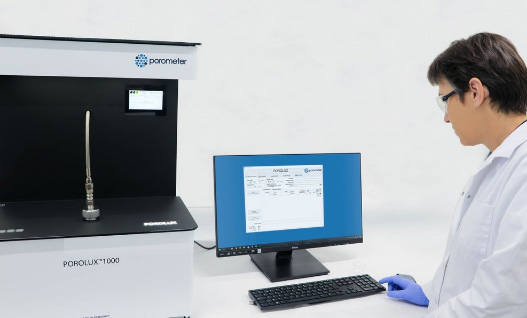
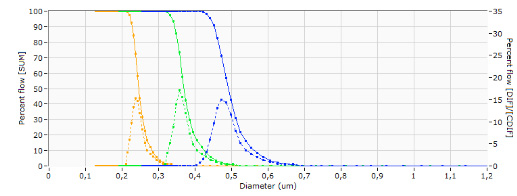
Pharmaceutical powders are generally considered to be some of the most cohesive a particle scientist will come across and generally are very demanding when using the wet method. In this paper we will demonstrate how a modern dry laser diffraction is able to analyse these cohesive samples and achieve reliable repeatable results with an eco-friendlier method.

Continue reading

Mineral Pigment Application Note

Industrial
Applications
Mineral Pigment Bettersizer 2600

Particle Size of Mineral Pigment and Colour Hiding Power

Particle size variation in mineral pigments leads to different hiding power and diverse chromatic gradation, attributed to the light scattering effect. The Bettersizer 2600 can provide meticulous measurement of granularity and support in finding the optimal balance between particle size and desired hiding power, ensuring consistency in pigment and coating products.

Continue reading

Lithium Battery Cathode Materials

Industrial
Applications
Battery Bettersizer 2600

Application of Laser Particle Size Analyser in Lithium Battery Cathode Materials

In order to achieve high energy storage, stability and safety performance, it is necessary to strictly control the particle size distributions of lithium battery cathode materials. Therefore, it is important for battery manufacturers to measure the particle size distribution of electrode materials quickly and easily, with the Bettersizer 2600 laser particle size analyser.

Continue reading

Ceramic Powders Application Note

Industrial
Applications
Ceramic Powder Bettersizer 2600

Application of Laser Particle Size Analyser in Ceramic Powders

Accurate measurement of the particle size distribution of ceramic powders is extremely necessary in the production of modern ceramic components. It has been proved that the particle size and dispersibility of a ceramic powder can be determined by the Bettersizer 2600, and the test results have a high repeatability.

Continue reading

Chocolate Application Note

Industrial
Applications
Chocolate Bettersizer 2600

Particle Size Analyzing of Chocolate by Laser Diffraction

The manufacturing process and final characteristics of chocolate are significantly affected by particle size in many ways. As less production costs and better chocolate quality are desirable, only with the help of high-performance laser diffraction instruments, manufacturers are able to control particle size distribution of intermediates as well as final products in chocolate production in a highly efficient way. In this note, the measurements of chocolates of different types (dark, milk, white) from various countries were successfully performed by the Bettersizer 2600, and the particle size changes were displayed.

Continue reading

Coffee Application Note

Industrial
Applications
Coffee Bettersizer 2600

Investigating the Relation Between Coffee Extraction and Ground Coffee Size

Particle size and size distributions of ground coffee significantly affect the extraction level and the flavor quality of brewed coffee. Monitoring the particle sizes and size distributions in ground coffees is necessary. In this note, different ground coffees were successfully characterized by the Bettersizer 2600, which is a sophisticated and reliable instrument that can provide particle sizing solutions to the coffee industries.

Continue reading

Pigments Application Note

Industrial
Applications
Pigments Bettersizer 2600

Application of Laser Particle Size Analyser in Pigments

Coarse particles influence the color of pigments, and particle aggregation that occurred during storage reduces the stability of product performance. The Bettersizer 2600 enables the manufacturers to monitor the particle size and its distribution of pigments in the production and storage process. The instrument’s wide detection range and high resolution allow all pigments to be measured accurately, and ensure excellent batch-to-batch reproducibility.

Continue reading

Abrasives Application Note

Industrial
Applications
Differing Abrasives

Application of Image Particle Size & Shape Analysis System in Abrasive

This application note compares the particle size and particle shape distribution of different kinds of abrasive by laser scattering method and image method. The results show that the accuracy of particle size measurement results adopted by image method is better and coarser particle resolution is higher, which can effectively monitor the particle size, particle size distribution and ovality, circularity in the abrasive production process to ensure the uniformity of the product, thus improving the performance of the abrasive tool, therefore, the image method is one of the indispensable detection methods in the abrasive industry.

Continue reading

Additive Manufacturing

Industry Information
Additive Manufacturing

Why particle characterisation is important in additive manufacturing

Particle characterisation is of paramount importance in additive manufacturing (AM), commonly known as 3D printing, where precise control over material properties at the micro and nanoscale is crucial for achieving desired outcomes. Understanding the characteristics of particles in raw materials, such as powders or liquid resins, is essential for optimising the AM process and ensuring the quality and performance of the final printed products.

Understanding Particle Size

Particle size affects powder flow, surface finish and print consistency in additive manufacturing. Fine particles enhance resolution and quality but may encounter process challenges, coarse particles can lead to poor flow and uneven layer deposition.

Meritics offer a range of particle size analysers from Nanoparticle size analysers capable of analysing down to 10nm to Laser Diffraction Analysers analysing up to 3500 µm.

Analysing Powder Flow

Powder flow directly impacts the uniformity and consistency of material deposition. Proper flow minimises defects and optimises part quality. Poor powder flow can lead to irregularities compromising the structural integrity and surface finish of printed parts.

Meritics are proud to be the UK distributors of Mercury Scientifics full Powder Flow Analyser range.

Assessing the Surface Area

Surface area analysis helps understand powder characteristics, affecting powder flow, melting behavior, and part properties in additive manufacturing. It guides material selection and process optimisation for enhanced print quality.

See below the range of Surface Area Analysers Meritics offer

Case study

We wanted to test the impact of re-using the ‘waste’ metal powders from our DMLS process. Using the Mercury Scientific Revolution we were able to test, virgin powder, used powder and 50:50. The results showed us what we expected to see that the used powder didn’t flow as well and caked more than the virgin powder. From this we have been able to set standards within our production and can test the flowability using our Revolution before re-use and determine whether a batch needs to be re-processed.

Revolution Powder Analyser

Instruments to support additive manufacturing

Applications to support additive manufacturing

Continue reading

3D Printing Application Note

Industrial
Applications
3D Printing

Particle characterization for additive manufacturing: Analysis of the key parameters particle size and shape using only one instrument

Additive manufacturing (AM) also known as 3D printing, is taking off to produce a wide range of components more efficiently, sustainably, and cost-effectively. In order to achieve success, it is essential to accurately characterize raw materials, such as metal powders and polymer powders. To meet this need, Bettersizer S3 Plus offers characterization solutions. In this app note, we explained the importance of particle size and shape characterization for raw materials and analyze the key parameters using only one instrument.

Continue reading

Abrasives

Industry Information
Abrasives

Why particle characterisation is important in the abrasives industry

Particle characterisation is crucial in the field of abrasives, where the particles properties directly influence their performance in various applications. Understanding the size, shape and other characteristics is essential for optimising abrasive materials, developing efficient manufacturing processes, and ensuring the desired performance. Meritics provide solutions for several aspects of the abrasives industry.

Laser Diffraction

The primary method of choice for the characterisation of abrasive materials is particle size analysis by laser diffraction. Meritics offer a wide range of laser diffraction instruments depending on your specific needs.

Flow Imaging Microscopy

Automated image analysis provides not only particle size distribution, but also particle shape information. The additional morphology information is important for abrasives because the presence of sharp edges typically enhances performance.

How Meritics can help

Meritics specialises in materials characterisation, providing advanced solutions for analysing materials’ properties. Their expertise includes precision measurement of particle size, shape, and surface characteristics, crucial for optimising performance and quality. By offering state-of-the-art instruments and tailored analytical services, Meritics ensures reliable, accurate data to enhance abrasives production and application.

Case Study

Analysis results from the FlowCam 8000 FIM analyser

Above images: Top, 40X magnification on FlowCam Nano, mixed diamond powder, particle property shown is Diameter ESD. Bottom, 20X magnification on FlowCam 8000 mixed diamond powder particles

This FlowCam was used to analyse their diamond powder to compare the morphological properties of their different lots. Using VisualSpreadsheet software, we could take thousands of FlowCam images like the ones shown here and show valuable morphological data for their lots. FlowCam confirmed what the customer expected: lots that behaved similarly had similar morphological characteristics, and lots that behaved differently had very different morphological characteristics.

Instruments to support the analysis of abrasives

Applications to support the analysis of abrasives

Continue reading

Abrasives Application Note

Industrial
Applications
Abrasives

Combining Laser Diffraction with Dynamic Image Analysis to Improve the Characterization of Abrasives

Size is not enough to ensure the consistency of abrasives and it is well known within the abrasives industry that the shape of the particles is equally as significant a parameter to control. The Bettersizer S3 Plus has proven to be able to characterize the size and shape of the abrasives simultaneously and provide much more information than conventional laser diffraction analyzers.

Continue reading

Soils and Sediments Application Note

Industrial
Applications
Soils and Sediments

Exploring Size and Shape on Soils and Sediments of the Moon, the Earth and the Ocean

Soil and sediment analysis is essential for human beings, which provides fingerprints to their origin. The main categories of soil and sediment analysis include hydrology and geology studies. Particle size and shape are challenging in soil and sediment analysis. Why? Soil samples are polymorphic and always cover a wide size distribution range. The Bettersizer S3 Plus analyzes the particle size over a wide range from 0.01 μm to 3.5 mm, fully meeting the needs of soil and sediment size measurements. This application note will focus on three different applications covering lunar regolith, desert, and marine sediments and explore the differences of particle size and shapes in three samples.

Continue reading

Lithium-Ion Battery Application Note

Industrial
Applications
Lithium-Ion Batteries

Investigating the Particle Size and Shape Influences on Anode Energy Density of Lithium-Ion Batteries

The lithium-ion batteries (LIBs) have been widely used in
variety of applications due to its advantages of long storage
life, no memory effect, and low self-discharge rate. With the
rapid increasing demands of LIBs in electrical products, the
production of higher energy-density batteries has attained
manufacturers’ attention because of the needs of storing
more energy.
The energy density of the anode can be significantly
improved by optimizing the particle size and shape of the
graphite

Continue reading

Ceramic Agglomerate Application Note

Industrial
Applications
Ceramic Aglomerates

Particle Size Measurement and Agglomerates Detection of Ceramic Materials During Production Process

Accurate measurement of ceramic powders is crucial in the ceramic manufacturing. The Bettersizer S3 Plus has been proven to accurately measure the particle size and size distribution, and effectively monitor the agglomeration existing in ceramic powder materials. Therefore, the Bettersizer S3 Plus is a valuable tool to display both particle size and shape results. With the assistance of the Bettersizer S3 Plus, manufacturers are able to produce high performance ceramic products.

Continue reading

Powder Coatings Application Note

Industrial
Applications
Powder Coatings

Particle Size and Shape Analysis of Powder Coatings

In the production process of powder coatings, particle size is one of the most important physical properties, which not only affects the spraying performance of finished coatings, but is also closely related to the entire production process of coatings. In this note, different kinds of powder coatings have been successfully characterized by laser diffraction analysers, which have replaced conventional methods to a large extent mainly due to the advantages of the technology including ease of use, fast operation and high reproducibility, which are powerful tools for the powder coating industry.

Continue reading

Ceramic Products Application Note

Industrial
Applications
Ceramic Products

The Quality Control of Advanced Ceramic Products by the Bettersizer S3 Plus

The global demand for advanced ceramics, with the unique thermal, wear, and corrosion resistant capabilities, in biomedical, aerospace industry, precision tools, electronics, and environmental fields is on the increase. Optimizing and controlling the particle size distribution of powder to improve the microstructure of ceramic products are crucial to the final performances. The Bettersizer S3 Plus and BT-A60 autosampler can provide ceramic powder producers and ceramic product manufacturers with a highly automatic and time-saving method for measuring large numbers of samples. The high performances and the combination of dynamic image analysis enable the Bettersizer S3 Plus to be a reliable and powerful tool for quality control during any process of ceramic production.

Continue reading

Soy Milk Application Note

Industrial
Applications
Soy Milk

Particle Size Analysis: Exploring the Impact of Homogenization on Soy Milk

To enhance the taste and stability of soy milk, homogenization, subjecting the liquid to intense shearing, breaking down large fat globules particle and protein clusters, is a crucial step in the manufacturing process. Bettersize can provide the soy milk particle analysis with the combination of two instruments: Bettersizer S3 Plus and BeVision S1, so as to ensure the overall quality of soy milk product and create a homogeneous liquid that effectively prevents fat floating and protein settling.

Continue reading

Laser Diffraction

Technology
Laser Diffraction

Introduction

The particle size distribution is a crucial parameter in many applications that involve powders or dispersions. These include construction materials like cement and sand, pharmaceuticals, ceramics, colored pigments, fertilizers, emulsions, and more. As the range of applications expands, so do the requirements for measuring methods in terms of size range, measurement time, and reproducibility.

Measuring particles close to the range limits and simultaneously detecting particle sizes of both small (nanometer range) and large particles (lower millimeter range) for polymodally or broadly distributed samples is particularly challenging. However, modern laser diffraction particle size analyzers such as the Bettersizer S3 Plus overcome these challenges through innovative optical system design that detects backscattered light of very small particles and captures large particles with an integrated high-speed CCD camera or a combination of laser diffraction method and image analysis method.

Measuring Method

Laser diffraction method of particle sizing involves the interaction of laser (monochromatic and coherent light) with particles that need to be measured in terms of their size. The diffraction of light waves by the particles follows a distinct pattern depending on their size: larger particles scatter more light in the forward direction. For particles smaller than 100 nm, the scattering intensity is almost the same in all directions.

BioLector Microbioreactor

The scattering intensity is determined by stationary detectors depending on the angle. State-of-the-art laser diffraction systems such as the Bettersizer S3 Plus laser diffraction particle size analyzer guarantee the determination of scattering intensities in a continuous angular range of 0.02 – 165°, i. e. in the forward, side, and backward direction. This is achieved by means of the unique Dual Lens and Oblique Incidence (DLOI) optical system: Fourier lenses (collective lens) are positioned between the laser and particles as well as between particles and detectors. The particles will interact with the light within a parallel laser beam. This offers the advantage that the scattered light can also be detected at very large angles (in the backward scattering direction) and thus even very small particles can be detected and measured precisely. Thanks to DLOI technology, the problems of conventional measurement setups can also be avoided. Therefore, neither the suitable lenses for the corresponding particle size measurement range have to be selected prior to the measurement (in comparison to the Fourier optics), nor do measurement inaccuracies result from different particle-to-detector distances if not all particles lie in one plane (in comparison to the inverse Fourier optics).

BioLector Microbioreactor

To calculate the particle size distribution from the measured scattering spectra, the theory of either FRAUNHOFER or MIE is applied. The FRAUNHOFER theory is based on the hypothesis of opaque and spherical particles: the scattered pattern corresponds to a thin opaque two-dimensional plate – diffraction only occurs at the edges. Therefore no additional optical input constants of the material are necessary for this calculation. In contrast, the MIE theory uses the hypothesis of virtually translucent and spherical particles, meaning that light permeates the matter and is scattered elastically at the atoms of the particle. The knowledge of the complex refractive index of the particles and the liquid as well is necessary. This theory is applicable to particles of all sizes.

The following figure shows an example of a volume-weighted particle size distribution of a calcium carbonate powder – measured with a Bettersizer S3 Plus. The cumulative throughput curve (blue line) and the resulting histogram (black bar) can be seen.

BioLector Microbioreactor

Product

Continue reading

Image Analysis

Technology
Image Analysis

What is image analysis?

The term “image analysis” is describing the mechanism: the image analyzer will capture an image of a 3-D particle first, then do the analysis based on the 2-D particle projection image. Depending on the movement state of particles during the measurement, the image analysis method is divided into 2 kinds: one is the dynamic image analysis method (DIA), and another is the static image analysis method (SIA).

Why Image Analysis?

Today, particle size alone may not be sufficient to get qualified products out the door. Many industries are turning to particle size and shape analysis. This is where the image analysis method comes in. The necessity for size and shape analysis of every single particle, combined with ever-increasing PC processing power, ensures that automated imaging methods are becoming increasingly more relevant to a market which is taking advantages of non-spherical particles.

Automated imaging methods for the determination of the particle size distribution of a material offers a fundamental advantage over alternative methods such as static light scattering, sedimentation or sieving: Each particle is photographed and thus analyzed individually! In addition, the individual photography of the particles gives the opportunity to make statistical calculations of not only the particle size but also the particle shape, this results in several important advantages for the determination of the particle size (shape) distribution:

  • Realistic proportional values also at the edges of the size distribution, i. e. detection of oversized particles or fine particles
  • More meaningful size and shape parameters of each single particle, instead of diameter of ideal spheres. e. g. geodetic length or elongation for fibers.
  • For more information, please check the particle size and shape parameter guidebook
  • Flexible changeovers between distribution types (volume / area / number) depending on the particular task
  • Visual assessment of the dispersing state of a sample (dispersing quality, presence of agglomerates)
  • Further differentiation of materials. For example, in addition to the particle size distribution, the roughness of the particle surface plays an important role for the success of shaping or polishing.

How to Image Analysis?

The determination of the particle size and shape by image analysis method includes 4 basic steps:

1. Image taking

The image taking process is the base of the image analysis method. Special digital cameras are ultilized to ensure a clear vision contains sharp images of particles. If necessary, the camera can be in combination to a microscope.

2. Image processing and particles detection

Appropriate software processes captured pictures: signal noise, isolated pixels and edging particles are eliminated, brightness is adjusted to strengthen the contrast between the particle and the background, etc.

Particles are then separated from the background. Depending on the application, special requirements will be employed to filter out part of particles, such as agglomerates, bubbles, or reflecting metal powders.

3. Particle size and shape calculation

Size and shape parameters of every single particle will be calculated with the software.

4. Statistical calculations and classification

The particles are arranged in classes (e.g. size equivalent classes) on the basis of their attributed features (size and shape parameters).

BioLector Microbioreactor

Product

Continue reading

Serum

Biological Information
Serum

Characterisation solutions for Serum

Cell analysis of serum using cell size analysers and zeta potential analysers provides detailed information on cell population distribution and surface charge. This technology aids in understanding cell interactions, stability, and behaviour in serum, crucial for applications in diagnostics, therapeutics, and research in immunology and cellular biology.

Dynamic Light Scattering

Dynamic light scattering (DLS) technology analyses cell size by measuring the scattering of laser light caused by particle movement, providing precise data on cell size distribution and aggregation.

Zeta Potential

Zeta potential analysis of serum uses electrophoretic light scattering to measure the electrical charge on cell surfaces, providing insights into cell stability, interactions, and aggregation tendencies in biological samples.

Analysing Serum in Research

Analysing serum for research involves measuring biomarkers to uncover insights into physiological processes, disease mechanisms, and potential therapeutic targets. By examining various components, such as proteins, hormones, and metabolites, researchers can identify correlations, track changes over time, and validate hypotheses. This detailed analysis enhances understanding of health and disease, contributing to the development of new treatments and advancing scientific knowledge in biomedical research.

Case study

A research laboratory based in the UK aimed to investigate the thermal-sensitive rheological behaviour of bovine serum albumin (BSA) solutions. Understanding the viscoelastic properties of BSA at various temperatures is crucial for applications in biotechnology and pharmaceutical formulations. The laboratory employed Dynamic Light Scattering Microrheology (DLS Microrheology) using the BeNano 180 Zeta to achieve this goal.

The UK research laboratory successfully utilised Dynamic Light Scattering Microrheology with the BeNano 180 Zeta to measure the thermal-sensitive rheological behavior of BSA solutions. Highlighting the instrument’s capability to provide detailed and precise measurements, significantly advancing the understanding of BSA’s viscoelastic properties under varying temperatures. The insights gained are invaluable for optimising applications in biotechnology and pharmaceuticals.

Instruments to support the analysis of serum

Applications to support the analysis of serum

Continue reading

Virology

Biological Information
Virology

Why cell characterisation is important in virology

Cell characterization in virology involves analyzing cell morphology, growth, viability, and susceptibility to viral infections. Techniques like nanoparticle tracking, interferometry, and zeta potential provide critical insights into host-virus interactions, aiding in the development of antiviral drugs, vaccines, and understanding viral pathogenesis and replication mechanisms.

Nanoparticle Tracking Analysis (NTA)

Nanoparticle Tracking Analysis (NTA) accurately sizes and counts viruses in solution by tracking their Brownian motion, providing crucial data for virology research, vaccine development, and understanding viral behaviour in biological fluids.

Nanoparticle Size and Concentration Analysis

Nanoparticle size and concentration analysis of viruses assesses their dimensions and quantity in solutions, essential for virology, vaccine development, and studying viral dynamics in biological environments.

Case study

A British-owned R&D laboratory aimed to optimise the production process of lentiviral vectors, critical for gene therapy and vaccine development. They integrated the Myriade Videodrop, a microfluidic-based platform for nanoparticle analysis, to enhance efficiency and quality control.The platform utilises microfluidic technology to measure size and concentration based on light scattering.

“Integration of our Videodrop streamlined the production process, reducing time and labor-intensive steps.”

The lab achieved significant success using the Myriade Videodrop for optimising lentiviral vector production. They proved the platform’s capability to enhance efficiency, ensuring quality, and accelerate advancements in gene therapy and vaccine development.

The integration of advanced nanoparticle analysis technologies like Videodrop is pivotal for driving breakthroughs in biopharmaceutical research and therapeutic applications.

Instruments to support analysis of viruses

Applications to support the analysis of viruses

Continue reading

Gene and Cell Therapy

Biological Information
Gene and Cell Therapy

Why particle characterisation is important in Gene and Cell Therapy

Characterisation is crucial for ensuring safety, efficacy, and consistency. It helps identify the genetic modifications, monitor cell health, and assess therapeutic potential. Precise characterisation ensures regulatory compliance, guides treatment development, and optimises patient outcomes by tailoring therapies to individual genetic profiles.

Cell Size

Cell size is crucial in gene and cell therapy as it influences cellular uptake, viability, and therapeutic efficacy. Accurate size measurement ensures optimal cell selection and enhances treatment outcomes.

Cell Counting

Cell counting is vital for ensuring accurate dosing, monitoring therapeutic progress, and maintaining quality control. Precise counts ensure treatment consistency and regulatory compliance.

Surface Plasmon Resonance

Surface plasmon resonance is crucial in gene and cell therapy for analyzing biomolecular interactions in real-time, aiding in the identification of binding affinities, kinetics, and specificity, thus enhancing therapeutic development and efficacy.

Case study

In gene regulation studies, understanding molecular interactions between DNA, RNA, proteins, and small molecules is critical. The P4SPR (Four-Channel Surface Plasmon Resonance) system proves invaluable in analyzing these interactions in real-time, offering precise data on binding kinetics and affinities. The objective was to utilise the P4SPR system to study the binding dynamics between transcription factors and regulatory DNA sequences, crucial for elucidating gene expression mechanisms.

The P4SPR system is a powerful tool for studying gene regulation by providing real-time insights into molecular interactions. Its ability to quantify binding affinities and kinetics aids in deciphering complex regulatory networks and designing targeted interventions in gene therapy and biotechnology. This case study underscores the P4SPR’s role in advancing our understanding of gene regulation mechanisms, offering potential applications in therapeutic development and personalized medicine.

Instruments to support Gene & Cell Therapy

Applications to support Gene & Cell Therapy

Continue reading

Pharmaceutical Manufacturing

Industry Information
Pharmaceutical Manufacturing

Why particle characterisation is important in the pharmaceutical industry

Particle characterisation is vital to ensure product quality, efficacy, and safety. It enables precise control over particle size, shape, and distribution, influencing drug performance, stability, and bioavailability. Comprehensive characterisation supports formulation optimisation, process validation, and regulatory compliance, ensuring patient well-being.

Particle shape and light obscuration analysis in pharmaceutical manufacturing

Meritics offers comprehensive particle shape and light obscuration analysis solutions tailored for pharmaceutical manufacturing, ensuring precise characterisation of particles crucial for product quality and regulatory compliance.

Texture analysis 

Meritics provides advanced texture analysis solutions for pharmaceutical manufacturing, ensuring precise characterisation of drug formulations crucial for optimizing product performance and ensuring patient safety and efficacy.

Particle Analysis in Vaccine Manufacturing and Development

Particle size analysis in vaccine manufacturing and development ensures the quality, safety, and efficacy of vaccines by characterising particles, optimising formulations, and ensuring regulatory compliance for global public health.

Case study

As a leading pharmaceutical company dedicated to delivering high-quality medications, ensuring the purity and stability of our active pharmaceutical ingredients (APIs) is of utmost importance to us.

We faced challenges in detecting and quantifying aggregation and agglomeration phenomena in our APIs, which could compromise their efficacy, safety, and stability.

To tackle these challenges, we sought guidance from specialists at Meritics, who suggested and provided a demonstration of the FlowCam LO. This instrument combines flow imaging microscopy and light obscuration analysis, enhancing our quality control procedures.

Instruments to support pharmaceutical manufacturing

Applications to support pharmaceutical manufacturing

Continue reading

Therapeutics (Other) Application Note

Industrial and Biological
Applications
Other Therapeutics

Particle Characterisation in Biotherapeutics

Particle content is a critical quality attribute for many biologics that must be monitored to meet regulatory requirements like USP <788> and mitigate product safety risks.

Flow imaging microscopy is an established technique recommended by USP <1788> for subvisible and submicron particle analysis, revealing particle count, size, and shape, indicating their type and source.

Monitor the aggregation of adjuvants, nano-drug delivery systems, and other small particles to larger, potentially concerning, submicron and subvisible particles.

Use FlowCam to:

  • Detect aggregation and agglomeration of the active pharmaceutical ingredient (API) and drug delivery vehicles to improve product stability
  • Obtain images and particle morphology information not obtainable from orthogonal techniques to assess product degradation
  • Differentiate between inherent particles, intrinsic particles like glass flakes and silicone oil droplets, and extrinsic contaminants
  • Optimize and control particulates in your formulation

FlowCam – A Flexible Particle Analysis Solution

Apply flow imaging microscopy techniques to therapeutics including aggregates of drug delivery systems like liposomes, exosomes, and gold nanoparticles, and vaccine components like virus-like particles and adjuvants.

FlowCam is ideally suited to analyze samples containing larger particles like CHO cells, cell cultures and associated particles like Dynabeads™ and Tentagel™ beads, and hydrogel spheres.

Obtain size and morphology information of these particles that is related to product quality issues such as cell viability, misshapen drug delivery vehicles, and the form of any aggregates present.

  • Improving vaccine formulations by monitoring API and adjuvant aggregation
  • Characterising large liposome, exosome, and other drug delivery platform morphology with an automated microscopy technique
  • Optimizing cell concentrations and viability during biotherapeutic manufacturing
  • Observing Dynabead binding and measuring unbound bead concentrations in cell culture applications
  • Product

  • Industry

Continue reading

Protein Therapeutics Application Note

Biological
Applications
Protein Therapeutics

FlowCam for Protein Therapeutics Development and Manufacturing

Discover a high-throughput flow imaging microscopy platform for characterizing API aggregates and other particulates in your protein, monoclonal antibody, or antibody-drug conjugate formulation.

Monitor your formulation for protein aggregates, intrinsic particles including silicone oil, degraded polysorbate, and glass flakes, as well as extrinsic contaminants.

FlowCam provides quality assurance for your parenteral drug product to give you peace of mind about the stability and safety of your formulation.

Use FlowCam to:

  • Count and size protein aggregates as small as 300 nm with industry-leading image quality
  • Obtain complementary particle image data recommended by USP <1788> to verify orthogonal particle size measurements by light obscuration
  • Utilize image-based analytics including artificial intelligence tools to classify subvisible and submicron particles

FlowCam Provides Confidence in Protein Formulation Quality

Capture high-resolution images for the identification of particle type, allowing you to detect and mitigate undesirable and potentially harmful particle formation at the source.

Improve formulation design based on knowledge obtained by using FlowCam in accelerated protein stability studies.

  • Use FlowCam LO to obtain USP <787> compendial particle sizing information and images in a single instrument in quality control monitoring
  • Improve lab productivity and data reproducibility with ALH for FlowCam automated liquid handling.
  • Employ VisualAI™ to classify images of protein biotherapeutics automatically with higher than 90% accuracy
  • Product

  • Industry

Continue reading

Advanced Materials Application Note

Industrial
Applications
Advanced Materials

FlowCam for Advanced Materials Performance Testing

Effective particle analysis techniques are essential to quality control programs across a wide range of manufacturing industries.

FlowCam offers a complete solution for characterising particles, ensuring end-product quality and conformity with industry regulations.

Use FlowCam to:

Perform compliance testing in accordance with ISO and ASTM standards
Enhance quality assurance programs by monitoring particle uniformity and consistency throughout the production process
Determine filter performance by comparing image and concentration data pre and post-separation
Evaluate quality of raw materials as inputs into manufacturing processes

Subtitle

  • Perform compliance testing in accordance with ISO and ASTM standards
  • Enhance quality assurance programs by monitoring particle uniformity and consistency throughout the production process
  • Determine filter performance by comparing image and concentration data pre and post-separation
  • Evaluate quality of raw materials as inputs into manufacturing processes

Enhance Particle Analysis and Characterization with Digital Images

FlowCam is a comprehensive dynamic imaging analysis platform that provides an efficient method to confirm data obtained from other particle analysis techniques.

With real digital images, you can verify the size, shape, and identity of your particles.

  • Confirm size, shape, circularity and material uniformity of printer toner particles during and after production.
  • Evaluate size and shape uniformity of superabrasive particles such as micronized diamonds and cubic boron nitride (CBN).
  • Compare material properties across processing stages using parameters specifically designed to accurately measure fiber morphology.
  • Validate wash water cleanliness and visually confirm, quantify, and characterize each particle type.
  • Product

  • Industry

Continue reading

Advanced Materials

Industry Information
Advanced Materials

Why particle characterisation is important in advanced materials industries

Particle characterisation is fundamental in the field of advanced materials, where precise control and understanding of properties contribute to the development of innovative materials. Meritics has a number of particle characterisation solutions for the industry.

Flow Imaging Microscopy

Flow imaging microscopy enables real-time visualisation and analysis of particle morphology, size distribution, and aggregation dynamics, facilitating precise control over material synthesis, formulation, and performance optimisation.

Laser Diffraction Particle Size Analysis

Particle size analysis in advanced materials ensures precise control over particle dimensions, aiding in tailoring material properties for specific applications such as nanotechnology, pharmaceuticals, and composite materials, enhancing performance and functionality.

Pore Size Analysis

Pore size analysis in advanced materials enables characterisation of pore structure and distribution, crucial for optimizing material properties like permeability, adsorption capacity, and mechanical strength in diverse applications.

Powder Flow Analysis

Powder flow analysis assesses flow properties crucial for manufacturing processes like compaction, granulation, and coating, ensuring consistency and efficiency in producing high-performance materials.

Surface Area Analysis

Meritics have a range of surface area analysers. Used in advanced materials to quantify available surface area, vital for optimising adsorption, catalysis, and reactivity in applications such as catalysts, batteries, and gas storage materials, enhancing performance and efficiency.

Case study

In a lithium-ion battery production facility, optimising electrode materials’ tapped density was paramount for enhancing battery performance. By employing tapped density measurements, our engineers fine-tuned electrode formulations to achieve optimal packing density, ensuring maximum electrolyte penetration and ion diffusion pathways.

We use the BeDensi T Pro Series. This improved battery capacity, cycle life, and overall efficiency. As a result, the batteries exhibited enhanced energy density and prolonged lifespan, meeting stringent performance requirements, therefore advancing sustainability and technological innovation.

Instruments to support advanced materials

Applications to support advanced materials

Continue reading

Environmental Sector

Industry Information
Environmental Sector

Why particle characterisation is important in the environmental sector

Particle characterisation techniques commonly used in environmental sciences include laser diffraction for particle size analysis, flow imaging microscopy for soil sciences and pollen viability, surface area analysis analyse soil and dynamic light scattering for measuring particle size distribution in various samples such as soil, water, and air pollutants.

Laser diffraction particle size analysis in soils

Laser diffraction particle size analysis in soils accurately measures particle size distribution, providing essential data for soil classification, engineering evaluations, and environmental assessments in various soil-related applications.

Flow Imaging Microscopy 

Flow imaging microscopy can be used to assess pollen morphology, size, and integrity, enabling precise determination of pollen viability and fertility, vital for agricultural breeding and plant reproduction studies.

Using zeta potential in soil analysis

Zeta potential analysis in soils assesses the surface charge of soil particles, informing on soil aggregation, nutrient adsorption, and soil-water interactions crucial for soil fertility and management strategies.

Surface area measurements to support environmental studies

Surface area measurements quantify the available surface area of particles, aiding in understanding adsorption phenomena, pollutant interactions, and remediation strategies in various matrices.

Case study

Our client is dedicated to studying nanoparticle behaviour in natural ecosystems. Understanding the interactions between nanoparticles and environmental components is crucial for assessing potential risks and developing effective mitigation strategies.

They faced challenges in accurately characterising the surface charge of nanoparticles, which is essential for predicting their fate, transport, and ecological impacts. Conventional techniques lacked the sensitivity and resolution needed to study nanoparticles in complex environmental matrices.

The BeNano 180 Zeta Pro played a pivotal role in advancing their research efforts by providing precise and sensitive measurements of nanoparticle zeta potential. By better understanding nanoparticle interactions in natural ecosystems, they aim to promote environmental sustainability and protect ecological integrity.

Instruments to support the environmental sector

Applications to support the environmental sector

Continue reading

Environmental Application Note

Industrial
Applications
Environmental Research

FlowCam for Environmental Monitoring and Research

Flow Imaging Microscopy offers a new perspective on environmental particle analysis. With high-quality digital images, FlowCam provides insights into soil sciences, pollen viability studies, atmospheric particle studies, microplastics analysis, stormwater runoff, and environmental monitoring.

Additional applications include wastewater processing, aerosol analysis, sediment studies, and advanced material science analysis.

Use FlowCam to:

  • Optimise encapsulation processes by dynamically monitoring the capsule formation process over time
  • Evaluate pollen particles and pollen shell capsule integrity for seed and fruit health
  • Study aerosols and environmental pollutants
  • Determine presence of and monitor health and growth of soil microbes, mites, forest litter invertebrates, and nematodes

Explore FlowCam Applications for Agricultural Sciences

Ensure successful crop production and profitability by monitoring the health and vitality of inputs to your agricultural system and analyzing data to improve the quality of feed, soil drainage, crop yield, and fertilizer potency.

FlowCam provides real-time results and analyses – minimizing the resources you need to meet regulatory, ecological, economic, and social requirements of sustainable farm management.

  • Assess pollen viability using colorimetric data and customizable size and shape filter criteria
  • Evaluate agricultural system health by imaging, categorizing, and quantifying microbial communities in soils and livestock guts
  • Optimize milling and granulation operations by comparing particle images and morphologic features across process steps
  • Detect aggregation and inflated size distributions in fertilizers and soil amendments that may slow the rate of solubility
  • Product

  • Industry

Continue reading

Food and Beverage Application Note

Industrial
Applications
Food and Beverage

FlowCam Particle Analysis Simplifies Quality Control of Food & Beverage Products

Ingredients are critical in all facets of the food and beverage industry. Flow imaging microscopy allows you to isolate different particle types from a heterogeneous mixture in order to ensure quality and detect process flaws.

An efficient, high-throughput analysis tool, FlowCam can detect variations in particle size, morphology, and texture allowing for streamlined quality control.

Use FlowCam to:

  • Ensure uniformity within homogeneous mixtures while also checking for undesirable agglomerations and foreign contaminants
  • Distinguish between and quantify distinct particle types from heterogeneous mixtures to better understand ingredient composition
  • Compare properties between different raw material lots to detect process flaws and reduce product variability

Improve the Taste and Texture of Your Food and Beverage Products with FlowCam

Particle size distribution and shape impacts not only taste and texture but flavor, quality, and production efficiency.

FlowCam has been used in a variety of food and beverage applications for the following advantages:

  • Examine particle morphology and aggregation in relation to viscosity and texture differences between raw ingredient lots
  • Assess size and viability of microorganisms, including yeast and bacteria
  • Study proportion of different structural forms of fungi to create meat and dairy alternatives
  • Characterize size, shape, integrity, and concentration of pulp particles in their concentrate to deliver uniformity of texture and flavor in products
  • Optimize encapsulation process by dynamically monitoring capsule formation process over time
  • Compare images to monitor microencapsulation process for flavoring research and development
  • Product

  • Industry

Continue reading

Have questions or need support?

1. Get in Touch

Tell us about your application and particle characterisation needs.

2. Have a conversation

We're happy to set up a call to discuss your application and answer your questions.

3. Discuss next steps

Expand your knowledge with a seminar, demonstration, sample analysis, or obtain a quote.

We are here in the UK to help and
answer any questions you might have.
Call us directly on +44 1582 704807

© 2024 Meritics.com